Fenerbahçe vs AS Roma: Tactical Insights from a Champions League Draw
On a humid night at Chobani Stadium Fenerbahce Sukru Saracoglu, the noise never really dipped below a roar, even as the scoreboard froze at 1–1. For Fenerbahçe, this was a first step in the UEFA Champions League league stage; for AS Roma, it was an opening statement under the bright, unforgiving Istanbul lights. The draw leaves both sides level in a group where every point, and every tactical nuance, will matter.
I. The Big Picture – Two Different Starting Points
Heading into this game, Fenerbahçe arrived as one of the form sides of the competition. Overall this campaign they had played 6 Champions League matches, winning 4 and drawing 2, with no defeats. At home, they had played 3, winning 2 and drawing 1. Their attacking output had been steady rather than explosive: 8 goals in total, split evenly between home and away, for an average of 1.3 goals per match both at home and overall. Defensively, they had been even more impressive, conceding only 3 goals overall, with 1 conceded at home and 2 on their travels, for an overall average of 0.5 goals against per match.
The goal difference tells the story of a balanced, efficient side: 8 scored and 3 conceded overall, a positive swing of +5. Clean sheets had underpinned that record, with 3 in total (2 at home, 1 away), and they had yet to fail to score in any Champions League outing.
AS Roma, by contrast, stepped into Istanbul with a statistical blank slate. Heading into this game, they had not yet played a Champions League match this season, leaving their attacking and defensive profiles theoretical rather than proven. The standings reflected that shared new beginning: Fenerbahçe in 20th and Roma in 17th, both on 0 points, both with 0 matches played before this league-stage opener.
II. Tactical Voids – Absences and Their Echoes
The team sheets told their own story of what was missing. Fenerbahçe were without a cluster of potential difference-makers. M. Asensio’s muscle injury removed a creative, goal-scoring threat from the right half-space. M. Guendouzi was suspended due to a red card, depriving İ. Kartal of a combative, press-resistant presence in midfield. J. Oosterwolde’s Achilles tendon injury and the absence of Rodrigo Becao and M. Yandas (all listed as off the roster) thinned the defensive and rotational options.
For AS Roma, the most glaring loss was L. Pellegrini, sidelined with a thigh injury. In Gasperini’s 3-4-2-1, Pellegrini would normally knit midfield to attack, offering late runs and set-piece quality. M. Bah’s knee injury also reduced Roma’s defensive depth and flexibility in the wide areas.
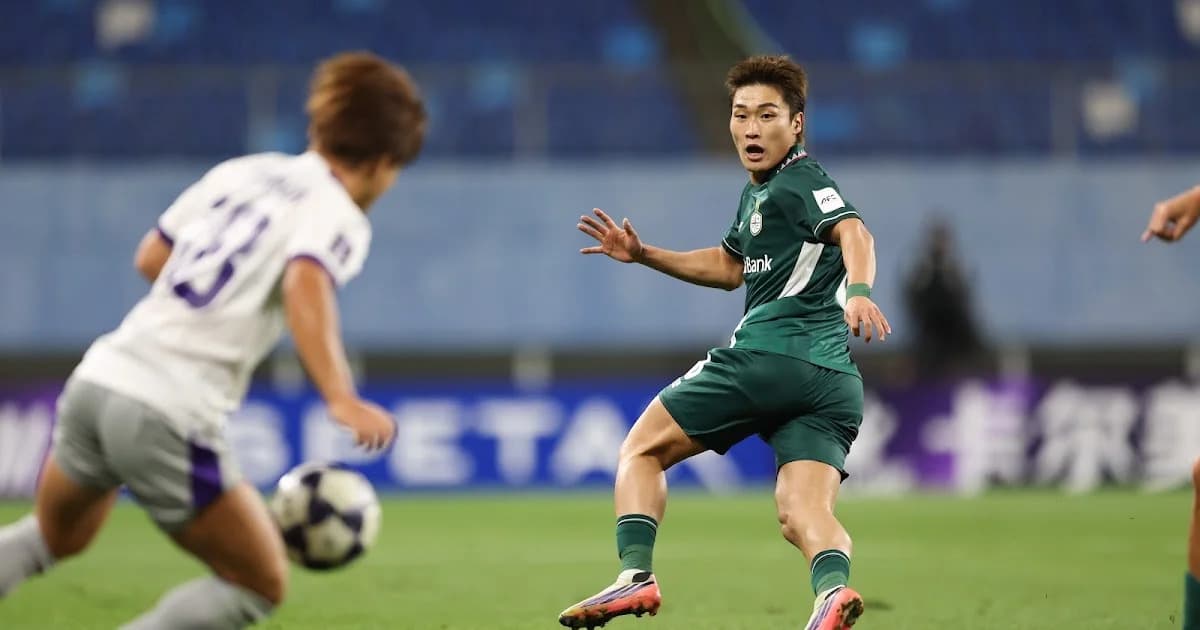
These absences forced both coaches into clearer, more rigid structures. Fenerbahçe lined up in a 4-3-3, with Ederson behind a back four of M. Müldür, M. Škriniar, N. Aké and A. Brown. In midfield, N. Kanté anchored with İ. Yüksek and B. Elmaz as shuttlers, while a front three of M. Greenwood, V. Muriqi and K. Aktürkoğlu stretched the Roma back line.
Roma’s 3-4-2-1 was quintessential Gasperini: M. Svilar in goal, a back three of G. Mancini, E. Ndicka and Hermoso, a four-man band of D. Rensch, B. Cristante, M. Koné and Wesley across midfield, with P. Dybala and M. Soulé floating behind D. Malen.
III. Key Matchups – Hunter vs Shield, and the Engine Room
The most intriguing attacking narrative belonged to Fenerbahçe’s forwards. Talisca, the competition’s top scorer for Fenerbahçe with 4 goals in 6 appearances and 23 shots (13 on target), did not feature in the starting lineup here, shifting the scoring burden onto M. Greenwood and V. Muriqi. Greenwood arrived with 2 goals and 1 assist in 6 Champions League appearances, plus 8 shots (5 on target) and 6 key passes, while also ranking among the top assist contributors for the club. K. Aktürkoğlu, another of Fenerbahçe’s creative hubs, had provided 2 assists in 5 appearances, with 12 key passes and 11 dribble attempts, embodying their desire to attack down the flanks and between the lines.
Against them stood Roma’s yet-unmeasured defensive unit. With no goals conceded heading into this match simply because they had not yet played, their “shield” was theoretical. But the structure was clear: Mancini’s aggression, Ndicka’s aerial presence, and Hermoso’s left-footed distribution formed a back three designed to absorb pressure and spring counters via the wing-backs.
In the engine room, the duel between N. Kanté and Roma’s double pivot of B. Cristante and M. Koné shaped much of the tempo. Kanté’s remit was simple but immense: screen in front of Škriniar and Aké, close the spaces where Dybala loves to drift, and provide the first pass into Fenerbahçe’s transitions. Cristante, by contrast, was Roma’s metronome, tasked with finding Dybala and Soulé between Fenerbahçe’s lines, while Koné provided legs and vertical surges.
With Fenerbahçe’s yellow-card distribution this campaign heavily skewed to the latter phases – 30.77% of their yellows between 31-45 minutes, another 30.77% between 76-90, and a striking 38.46% from 91-105 – the risk of late indiscipline hovered over every aggressive press and recovery run. Even without specific card data from this match, that pattern hints at a side that pushes its physical and emotional limits deep into games.
IV. Statistical Prognosis – What the Numbers Suggest Going Forward
From a purely statistical lens, Fenerbahçe remain the more “known” quantity. Overall this campaign, their 1.3 goals scored per match and 0.5 conceded form the backbone of a side built on controlled aggression and defensive stability. Their penalty record is flawless so far: 2 penalties taken, 2 scored, 0 missed, underlining a calmness in high-pressure moments.
Roma, by contrast, emerge from Istanbul still largely undefined by numbers. Their structural choices in a 3-4-2-1, and the technical quality of Dybala, Soulé and Malen, suggest a team that will likely generate a healthy expected goals profile once their campaign deepens. The question is whether their back three, and the Svilar-led last line, can match the defensive solidity that has made Fenerbahçe so hard to beat.
Following this result, the league-stage table will finally begin to separate shadow from substance. Fenerbahçe’s proven ability to edge tight games, combined with the creative axis of Aktürkoğlu and Greenwood and the looming presence of Talisca in the wider squad, points to a side whose xG trend should remain positive and whose defensive metrics should stay among the competition’s better units.
Roma, meanwhile, leave Istanbul with a point and a clearer sense of their ceiling. If Gasperini can harness Dybala’s pockets of genius and protect his back three against sides as direct and disciplined as Fenerbahçe, their underlying numbers should rise quickly. The tactical chess at Sukru Saracoglu hinted that when these two meet again, the margins – in xG, in duels won, and in late-game discipline – will be razor-thin.