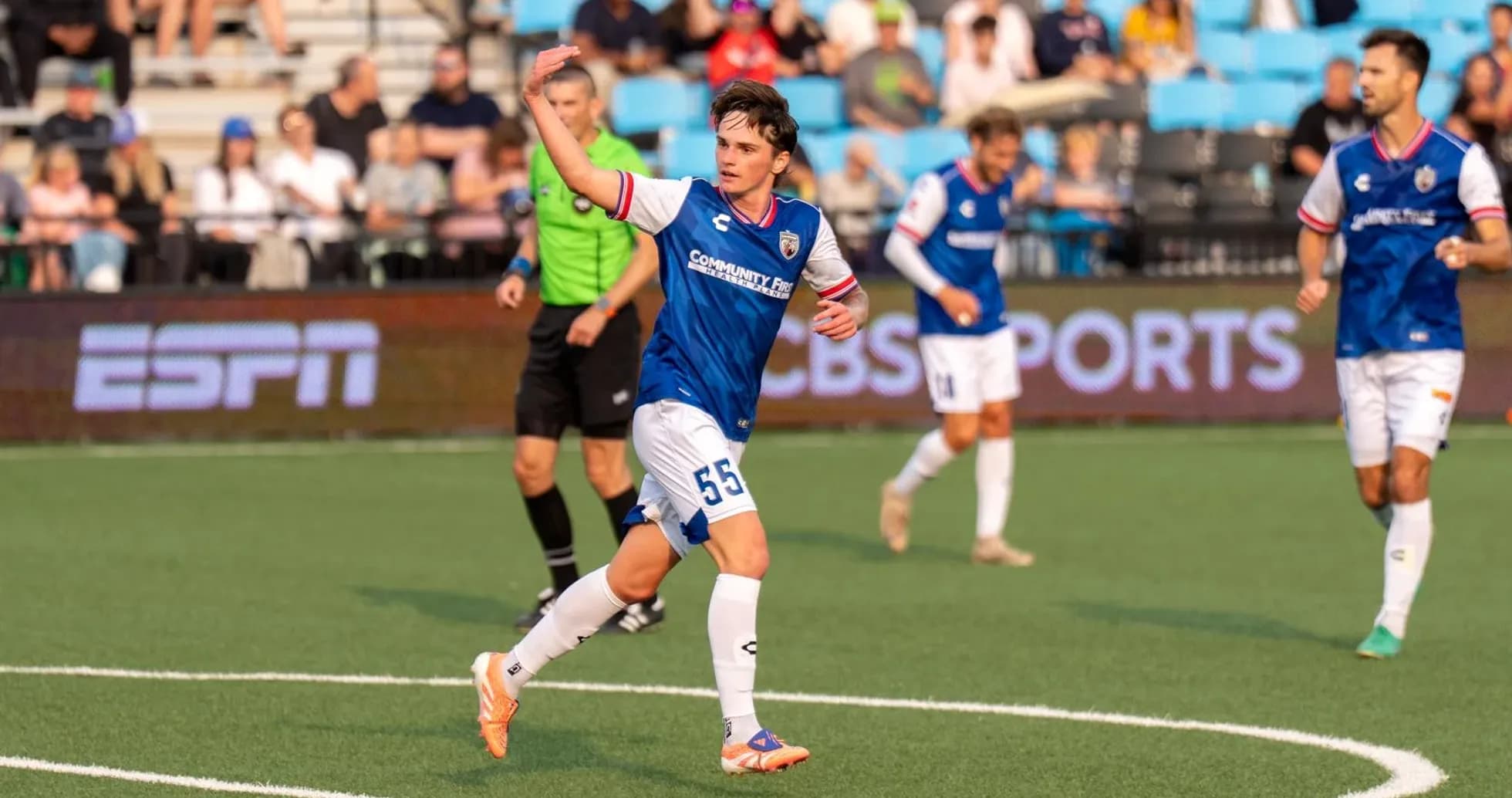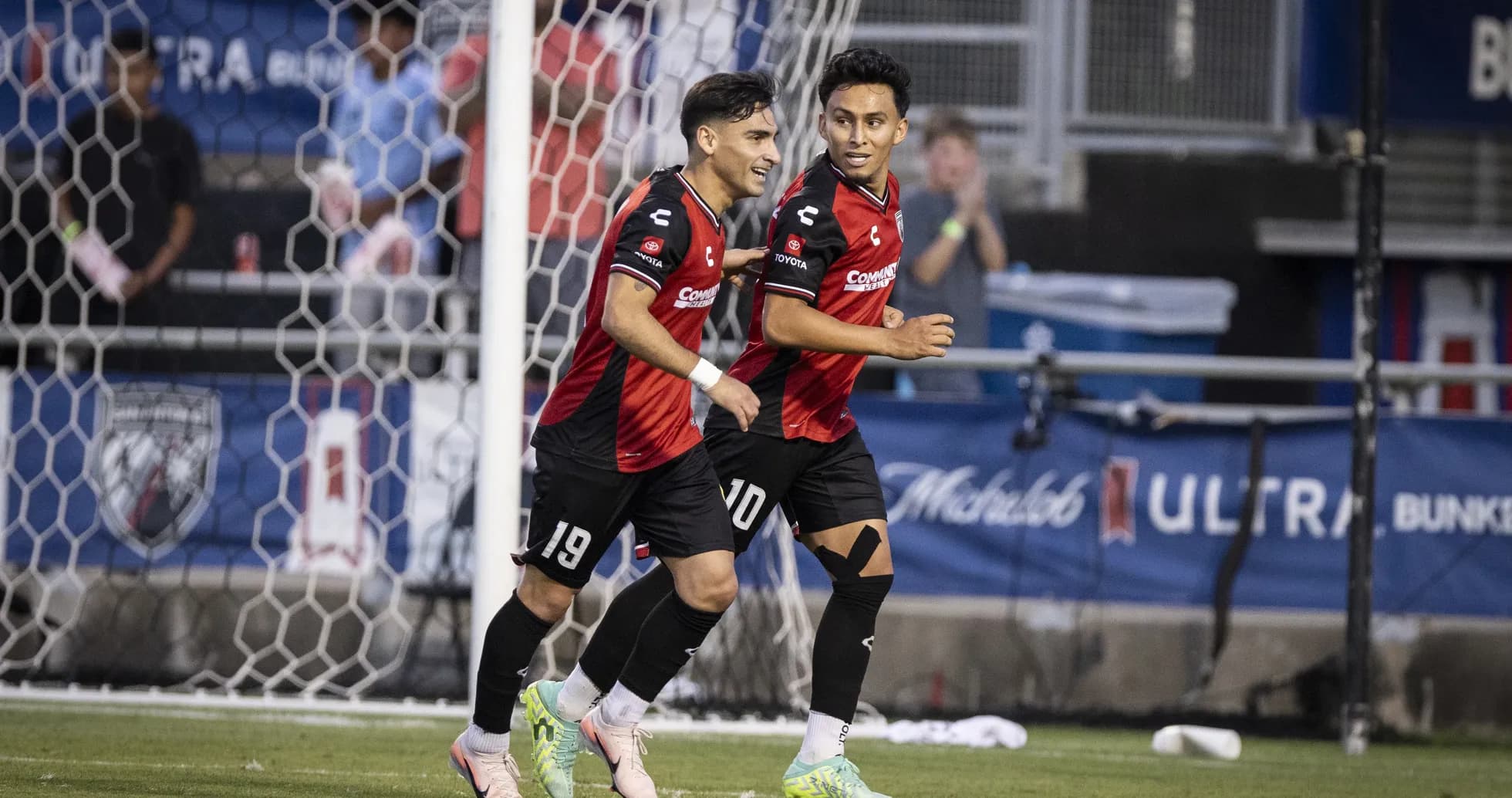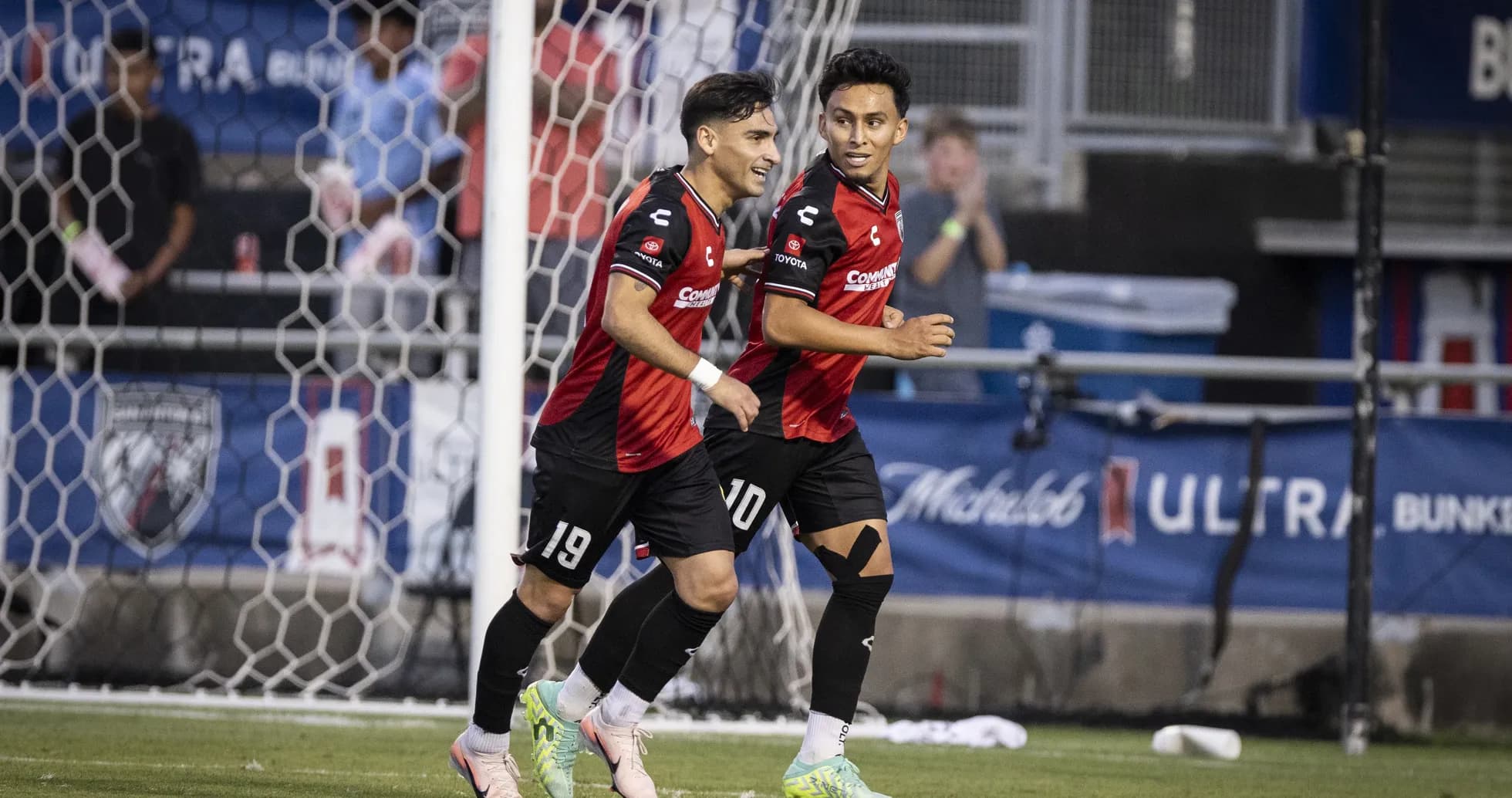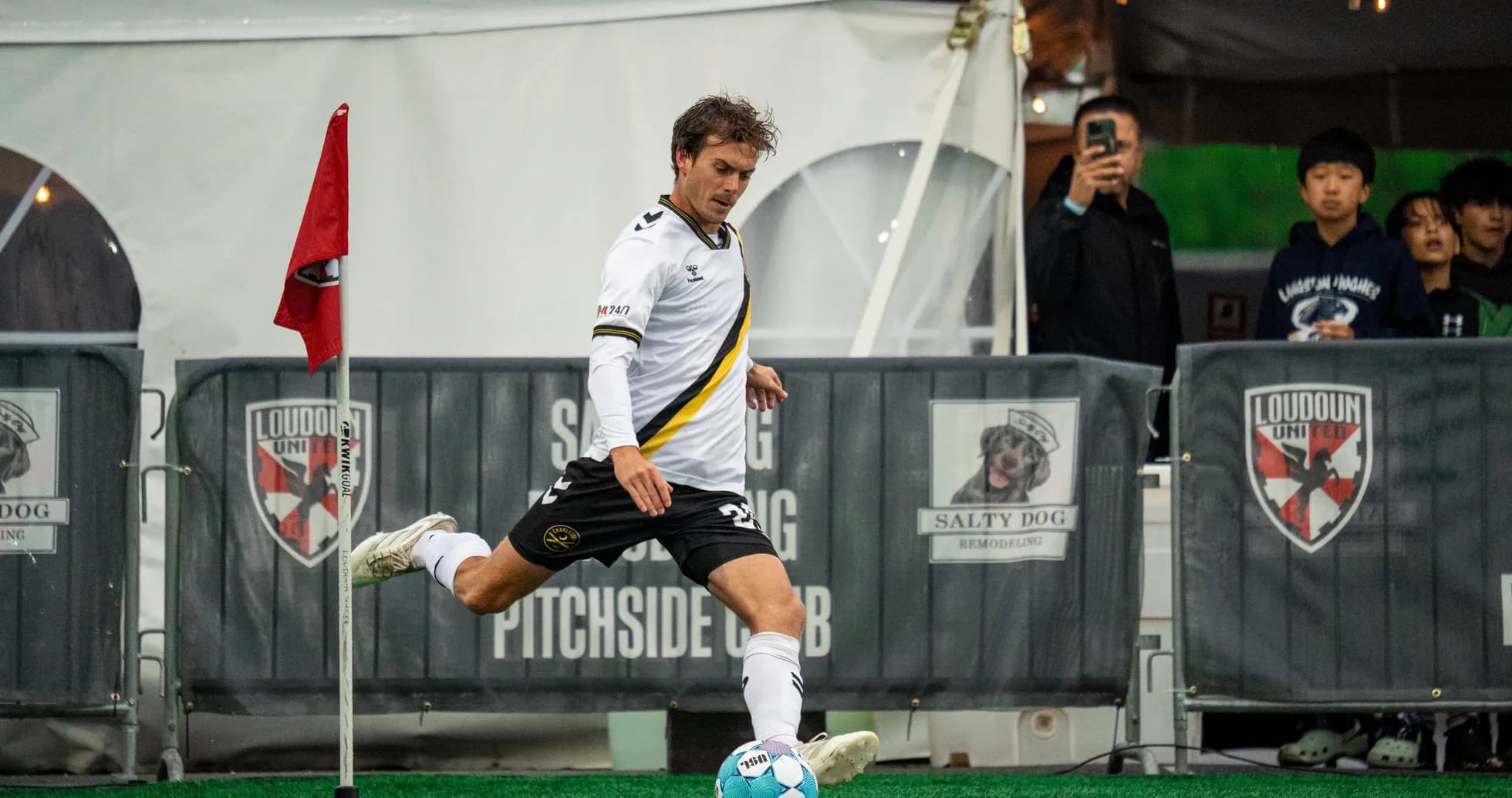
FC Tulsa vs Colorado Springs: A Late Twist at ONEOK Field
Under the lights at ONEOK Field, FC Tulsa’s meeting with Colorado Springs unfolded as a study in contrasting identities within the USL Championship’s Group Stage. Heading into this game, Tulsa had built a reputation as a controlled, low-margin side: 13 matches in total, 17 goals for and 16 against, a goal difference of 1 and a points haul of 19 that had them sitting 4th in their group. Colorado Springs arrived as the more volatile outfit, 12 matches in total producing 20 goals for and 19 against, also with a goal difference of 1 but a slightly leaner 16 points and a 7th-place standing.
The match itself inverted the script. Tulsa, whose home defensive record had been one of the league’s more reliable platforms (just 6 goals conceded at home across 7 games, an average of 0.9 per match), saw a 1-0 half-time lead slip into a 1-2 defeat by full-time. Colorado Springs, who on their travels had been open and occasionally fragile (10 goals scored and 12 conceded away, an average of 1.4 for and 1.7 against), found just enough cutting edge to overturn the deficit and leave Oklahoma with three points that felt bigger than the table alone could show.
Tactical voids and the disciplinary undercurrent
Neither side’s squad list flagged obvious absences; both Luke Spencer and Alan McCann had close to full decks to play with. That lent the lineups a certain clarity. For Tulsa, A. Tambakis anchored the XI behind a defensive group built around A. Cissoko, L. Batista, G. Robinson and the versatile H. St.Clair. In front of them, the double axis of D. Pierre and B. Sparks provided ballast, while G. Colli and J. Webber linked into a creative trio featuring K. Elmedkhar and R. Cabral.
Colorado Springs mirrored that balance with C. Shutler in goal, protected by a back line featuring P. Burner, T. Maples and M. Mahoney, with A. Rocha offering defensive security in midfield. Ahead of him, D. Williams and B. Creek operated as the connective tissue to a more fluid attacking band of A. Perez, J. Tejada, J. Fjeldberg and the mobile focal point K. Bennett.
From a disciplinary standpoint, both sides carried known tendencies into the night. Tulsa’s yellow-card profile this season shows a pronounced escalation after the break: 20.00% of their cautions between 46-60 minutes, 22.86% between 61-75, and another 20.00% from 76-90. Colorado Springs mirror that post-interval edge, with 23.81% of their yellows between 46-60 and consistent spikes in the final quarter-hours. Even without the specific booking log from this fixture, the pattern suggests a contest that would tighten and fray as fatigue and game state bit, especially after Tulsa’s early advantage was threatened.
Key matchups – Hunter vs Shield, and the engine room
The central duel of the night was philosophical as much as individual: Tulsa’s “shield” of a home defence against Colorado Springs’ “hunter” of an away attack. Heading into this game, Tulsa at home were conceding just 0.9 goals on average, with 3 clean sheets from 7 home fixtures. Their structure, with Cissoko and Batista as primary stoppers and Tambakis as a steady presence, was built to keep margins thin.
Colorado Springs, by contrast, arrived with a more expansive away profile: 10 goals on their travels at an average of 1.4 per match, but with 12 conceded. The attacking quartet of Perez, Fjeldberg, Tejada and Bennett thrives when the game opens up. The fact that they found two goals against one of the more miserly home defences in the group underscores how effectively they stretched Tulsa’s block in the second half, dragging full-backs into wide races and forcing Tulsa’s midfield two to defend larger spaces.
In the engine room, the contest between Tulsa’s central operators and Colorado Springs’ core proved decisive. Tulsa’s season-long balance is clear: in total they average 1.3 goals for and 1.2 against, a side comfortable in tight, controlled matches. That relies heavily on players like Pierre, Sparks and Colli to dictate tempo and protect transitions.
Colorado Springs, however, lean into chaos more willingly. Overall they average 1.7 goals scored and 1.6 conceded per match, and their midfield—anchored by Rocha, with Williams and Creek shuttling—seeks to quicken the game. As Tulsa’s legs and concentration waned after the interval, Colorado Springs’ engine room began to win second balls and turn them into direct service for Bennett and the wide runners. The late turnaround felt like the logical outcome of that shift: Tulsa’s shield gradually eroded by the persistent probing of a side comfortable living on the edge.
Statistical prognosis – what this result tells us
Following this result, the numbers that framed the fixture take on a new meaning. Tulsa’s previously robust home metrics—9 goals scored and 6 conceded at ONEOK Field before this match—now look more vulnerable, and the narrative of a side that manages risk will be tested. Their season-long penalty record remains immaculate (2 taken, 2 scored, 100.00%), but with no spot-kick lifeline here, they were exposed to the variance of open play.
Colorado Springs, meanwhile, continue to embody high-event football. Their penalty record is flawless as well (5 from 5, 100.00%), and although none were needed on this night, that threat adds a constant layer of pressure to opponents forced to defend in their own box. With only 1 clean sheet in total this season, they rarely win by shutting games down; instead, they rely on outscoring and outlasting.
If we project forward using these season profiles as a proxy for xG and defensive solidity, the shape is clear. Tulsa’s underlying balance still suggests a side that, over time, will hover near the top of tight contests, but only if their defensive standards at home return to that 0.9-conceded level. Colorado Springs’ attacking averages point to continued productivity, especially away, but their away average of 1.7 goals conceded means they will live on a knife-edge in most fixtures.
On this night, the knife-edge tilted their way. The hunter found a way through the shield, and in a league where both sides are tracking toward the promotion play-off picture, this 1-2 at ONEOK Field may be remembered as one of the season’s quiet turning points.