Egypt Alleges World Cup Bias Following Argentina’s Dramatic Last-16 Victory
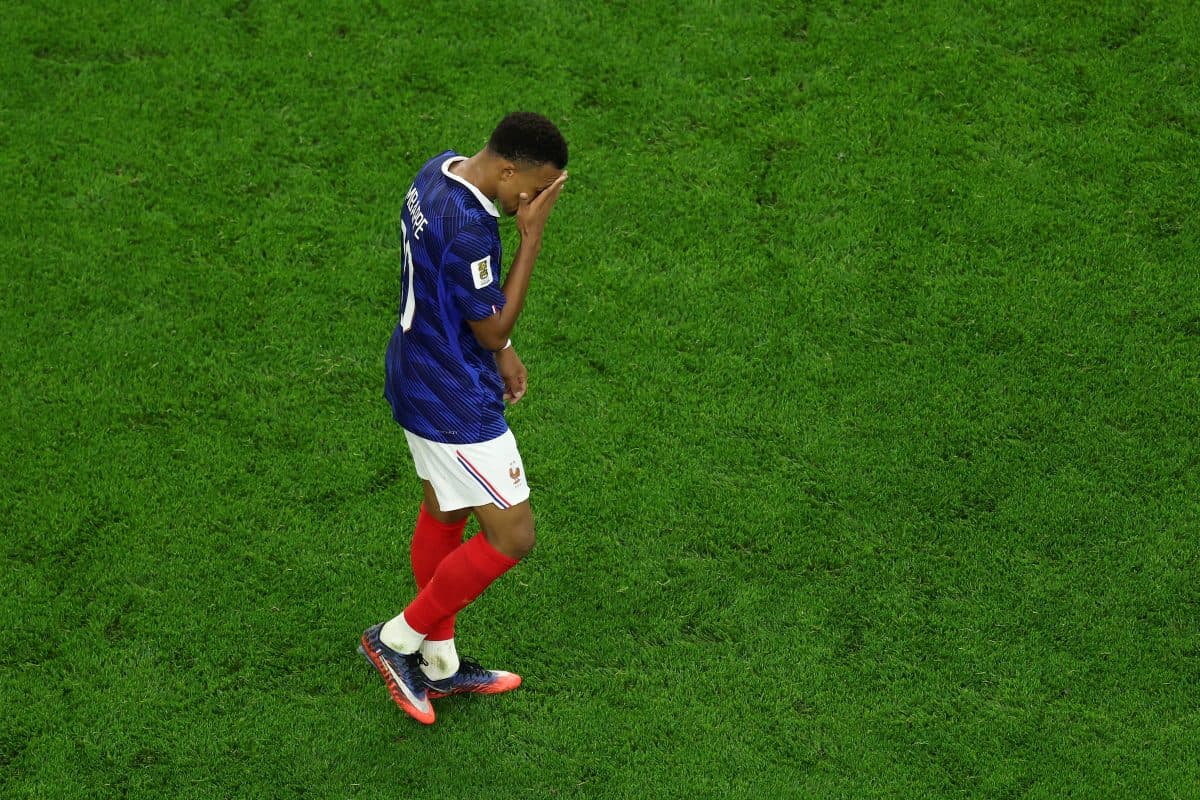
Egypt has accused Fifa of manipulating the World Cup in favor of Argentina after Lionel Messi led the defending champions to a stunning 3-2 comeback in the last 16. The Egyptian coach, Hossam Hassan, described his team as victims of "injustice," while striker Mostafa Zico went further, alleging the tournament had been "fixed."
Controversial Moments That Sparked Outrage
The anger from Egypt focused on two key refereeing decisions. Firstly, a goal by Egypt was disallowed due to a foul called 17 seconds before the ball crossed the line. Marwan Attia was judged to have stepped on Lisandro Martínez, although replays showed minimal contact. This decision came despite instructions for referees to allow normal physical play to maintain match tempo.
Although Egypt eventually took a 2-0 lead with a close-range strike by Zico, the mood shifted as Argentina mounted their fightback.
The second contentious moment involved a penalty appeal for Mohamed Salah late in the game. Julián Álvarez made contact with Salah's boot inside the box, causing him to fall, but no penalty was awarded. The incident mirrored the earlier foul that had nullified Egypt's goal, intensifying accusations of unequal treatment.
Egypt’s Reaction
“Perhaps they wanted the world champions to stay in the competition,” said Hossam Hassan. “We played better but were undone by factors beyond the pitch. I won’t watch any more matches in this World Cup as my way of protesting.”
Hassan also questioned the appointment of French referee François Letexier and criticized the officiating throughout the match. Striker Zico echoed these sentiments, claiming clear injustice and suggesting the tournament had been rigged from the start.
Argentina’s Resilience and Spirit
Despite the controversy, Argentina displayed qualities often needed to win a World Cup: determination and refusal to give up. For the second knockout game in a row, they overcame early struggles against opponents perceived as weaker. They became the first team to recover from a two-goal deficit in normal time at a World Cup.
Messi’s influence was immense. Ten minutes from time, he assisted Cristian Romero’s header and then scored himself to level the match. Enzo Fernández sealed the victory with a spectacular injury-time header, sparking wild celebrations among fans, many already dreaming of a semifinal clash with England.
Match Highlights
Egypt started aggressively, surprising many who expected an Argentine win. Yasser Ibrahim gave Egypt the lead with a powerful header in the 15th minute. Egypt’s defense remained solid, tightly marking Messi with multiple defenders.
Messi missed a penalty in the first half, becoming the first player to miss two penalties in a single World Cup tournament. Egypt’s goalkeeper, Mostafa Shobeir, made several key saves, keeping his team competitive.
Egypt's quick counter-attacks created chances, including a spectacular goal by Zico that was controversially disallowed due to a foul called far from where the goal was scored. Egypt repeated the move successfully minutes later to go 2-0 up.
Argentina then launched a furious attack. Messi moved to the right wing, finding space and driving forward repeatedly. Romero’s header reduced the deficit, followed by Messi’s powerful volley equalizer. In stoppage time, Lautaro Martínez set up Fernández for the winning goal.
Aftermath and Upcoming Matches
Argentina's victory sends them into the quarter-finals to face either Colombia or Switzerland. Other quarter-final fixtures include France vs Morocco and Spain vs Belgium.
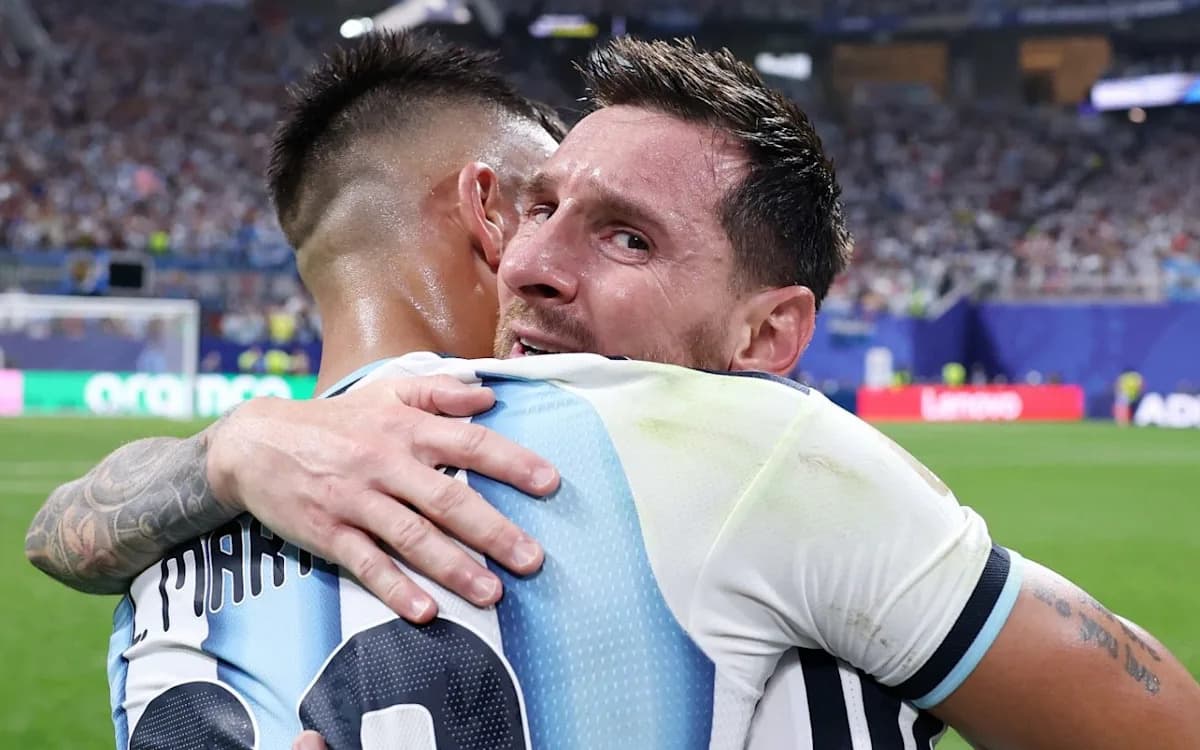
The emotional finish saw Messi overcome with tears, reflecting on the intense rollercoaster of the match. His performance included five successful dribbles and five chances created, a feat not seen since Diego Maradona in 1986.
Background and Context
Before the match, Egypt's coach carried the Palestine flag onto the field as a message of solidarity. Both teams employed cautious 4-4-2 formations, focusing on structure and star players' strengths. Egypt impressed by holding a two-goal lead for much of the game, but Argentina’s experience and tenacity prevailed.
Messi, now 39, remains pivotal to Argentina’s success, supported by teammates willing to cover defensively for him. Egypt, led by Mohamed Salah, showed resilience but fell victim to controversial refereeing decisions that overshadowed their strong display.