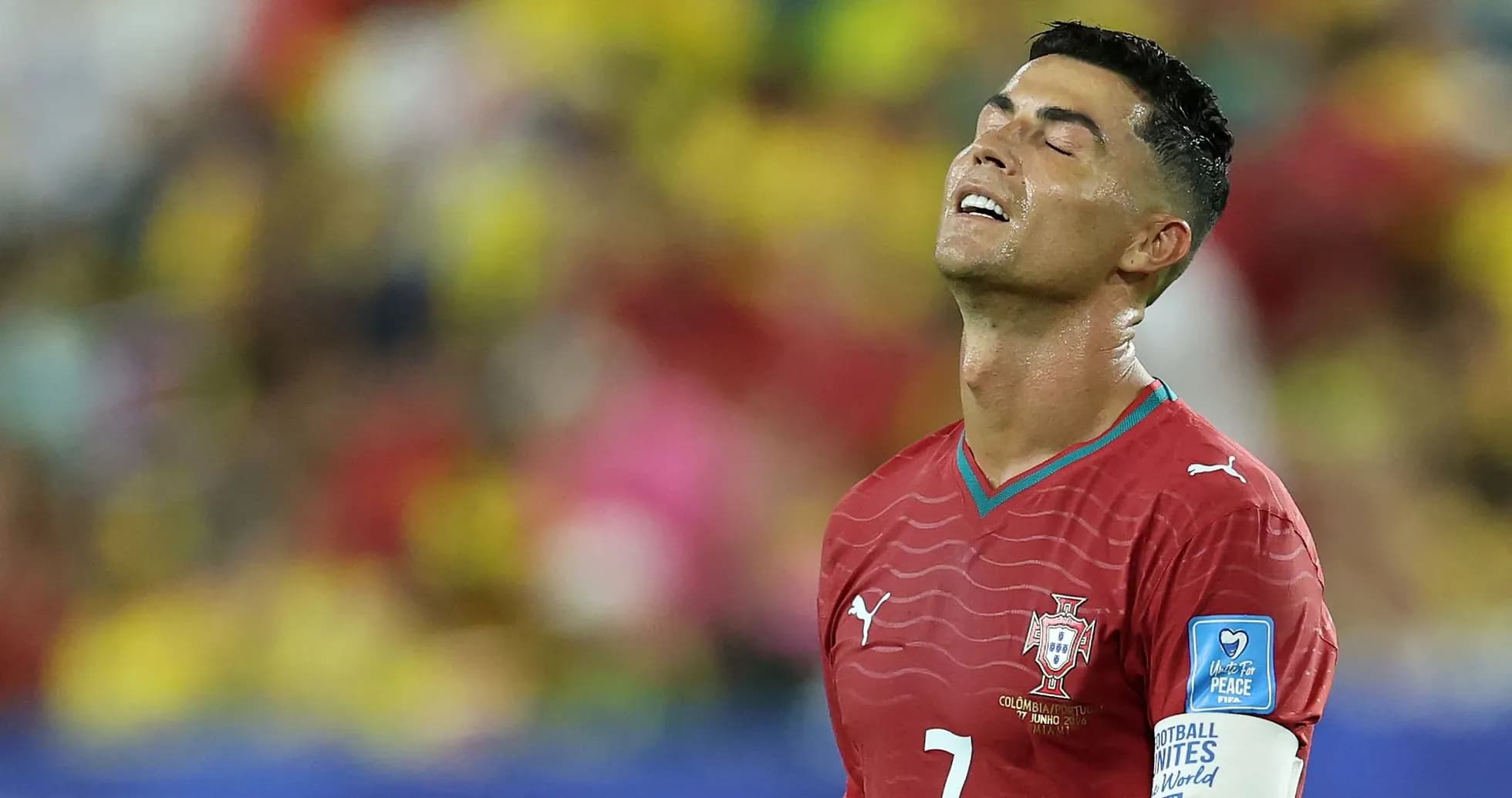
Diego Forlan on Cristiano Ronaldo's Role for Portugal
Diego Forlan knows what it is to live in the penalty area. He also knows what happens when a centre-forward stops moving.
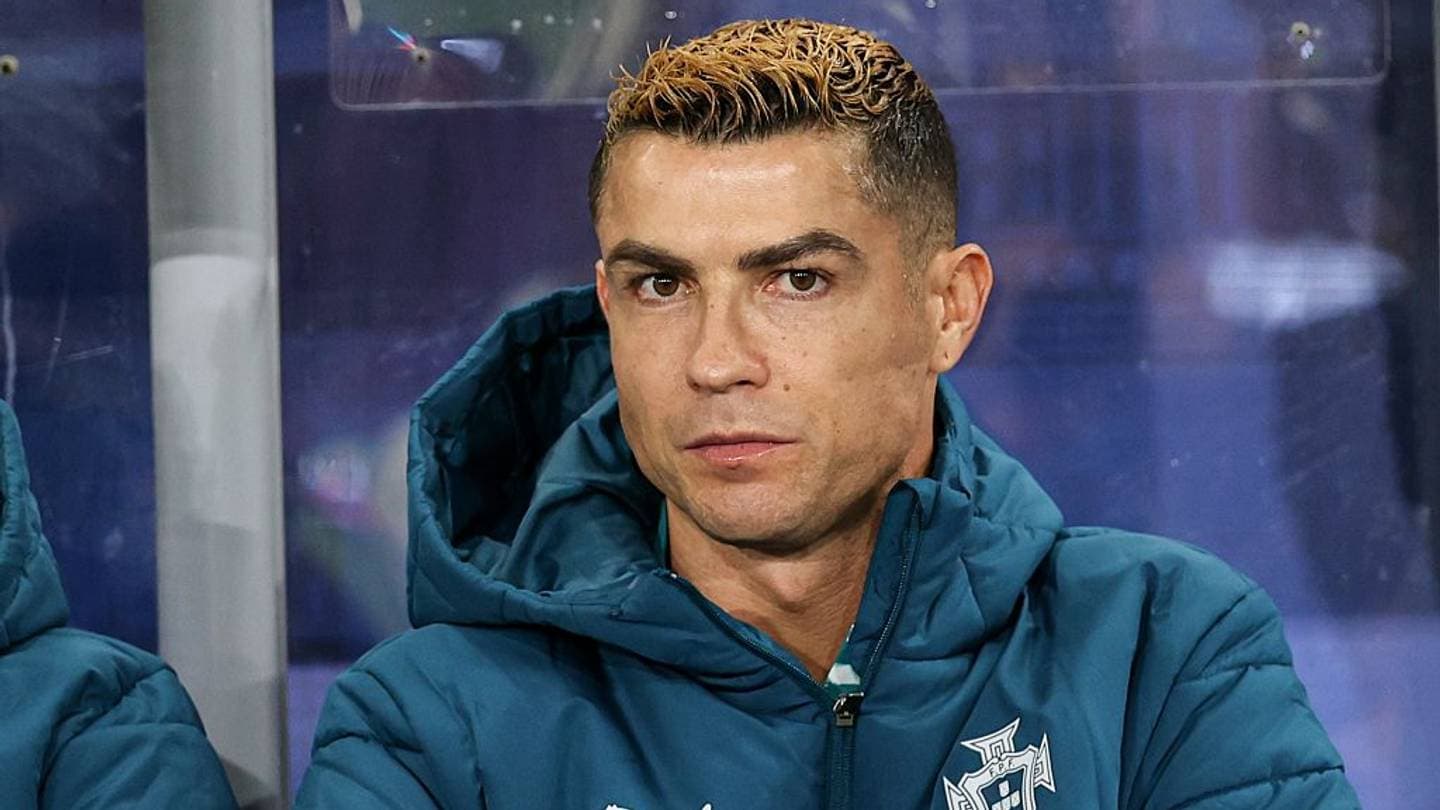
So when the former Manchester United striker looked at Cristiano Ronaldo’s role for Portugal and saw a static No.9, he didn’t dress it up.
Speaking on ESPN’s La Casa del Kun, the 2010 World Cup Golden Ball winner broke down the problem in blunt, striker-to-striker terms: Ronaldo’s presence in the middle, glued to the centre-backs, is making life too comfortable for defenders and too cramped for his own teammates.
“As a striker, the problem is that Cristiano is in the center, he is who he is, he is there as a No.9, and he stays there to take advantage of the goal because he no longer goes out to look for the ball, but he ends up conditioning Portugal,” Forlan said.
That’s the heart of it. Ronaldo still smells goals. He still lurks where it hurts. But he no longer roams, no longer drags markers into places they don’t want to go. Forlan painted the picture every defender loves: a fixed reference point, easy to mark, easy to predict.
“It’s the typical situation where we used to say, ‘I’m staying here because I’m close to the goal to score,’” he added. “But you don’t understand that you end up hurting your team because both center backs stay there, you don’t move. The center backs stay put, one becomes a reference point and the other is left out. You have no one who can get to you because you start closing down that space.”
In other words, Portugal’s attack is suffocating around its biggest star.
That is a serious waste when the supporting cast includes Bruno Fernandes, Bernardo Silva and Rafael Leao. These are players who thrive on pockets of space, on angles, on chaos between the lines. When the No.9 locks the middle, those channels vanish. The pitch shrinks.
Forlan’s solution is not to drop Ronaldo. It’s to nudge him out of his comfort zone.
“If he moved a little to the wings, the others could get in and he could be involved,” the Uruguayan said. “That’s where Portugal falters because they don’t explode because everything ends up going to one side, which is actually a funnel. I wouldn’t say it’s a problem, it’s about making him understand. Telling him: ‘Move, get out of there so you can do something’.”
The image of a “funnel” is telling. Attacks narrowing, plays funnelling into the same predictable lane, defenders happy to crowd the middle and wait. Forlan is arguing for movement as a form of leadership: by drifting wide, by vacating that central strip, Ronaldo could open corridors for runners like Leao and late arrivals like Fernandes.
This is where Roberto Martinez steps into the spotlight. Portugal are through to the round of 32 and will face Croatia, a side that punishes predictability and feeds off structure. The stakes rise now, and so does the scrutiny on how the coach manages his captain.
Ronaldo has already shown he can still finish. The instinct remains. The penalty-box menace is intact. But against elite opposition, a static focal point becomes a tactical gift. Centre-backs can hold their line, full-backs can stay compact, and the game can be controlled without being stretched.
That is the “bottleneck” Forlan sees: an attack that bends towards one man, then stalls around him.
The question is not whether Cristiano can still score. He can. The question is whether, at this stage of his career, he is willing to adjust how he moves so that Portugal’s other weapons can truly fire.
If he does, Martinez suddenly has an attack that breathes, that interchanges, that pulls Croatia and anyone beyond them into uncomfortable shapes. If he doesn’t, Portugal risk marching into the decisive rounds with the greatest player in their history acting as a fixed target rather than the catalyst his teammates so clearly need.