Dembélé's Hat-Trick Dominates France vs Norway Clash
This was supposed to be Kylian Mbappé v Erling Haaland, a World Cup Golden Boot duel dressed up as a group game. Instead, Boston Stadium watched a different kind of superstar take over.
By the time the half-time whistle went, it was the Ousmane Dembélé show.
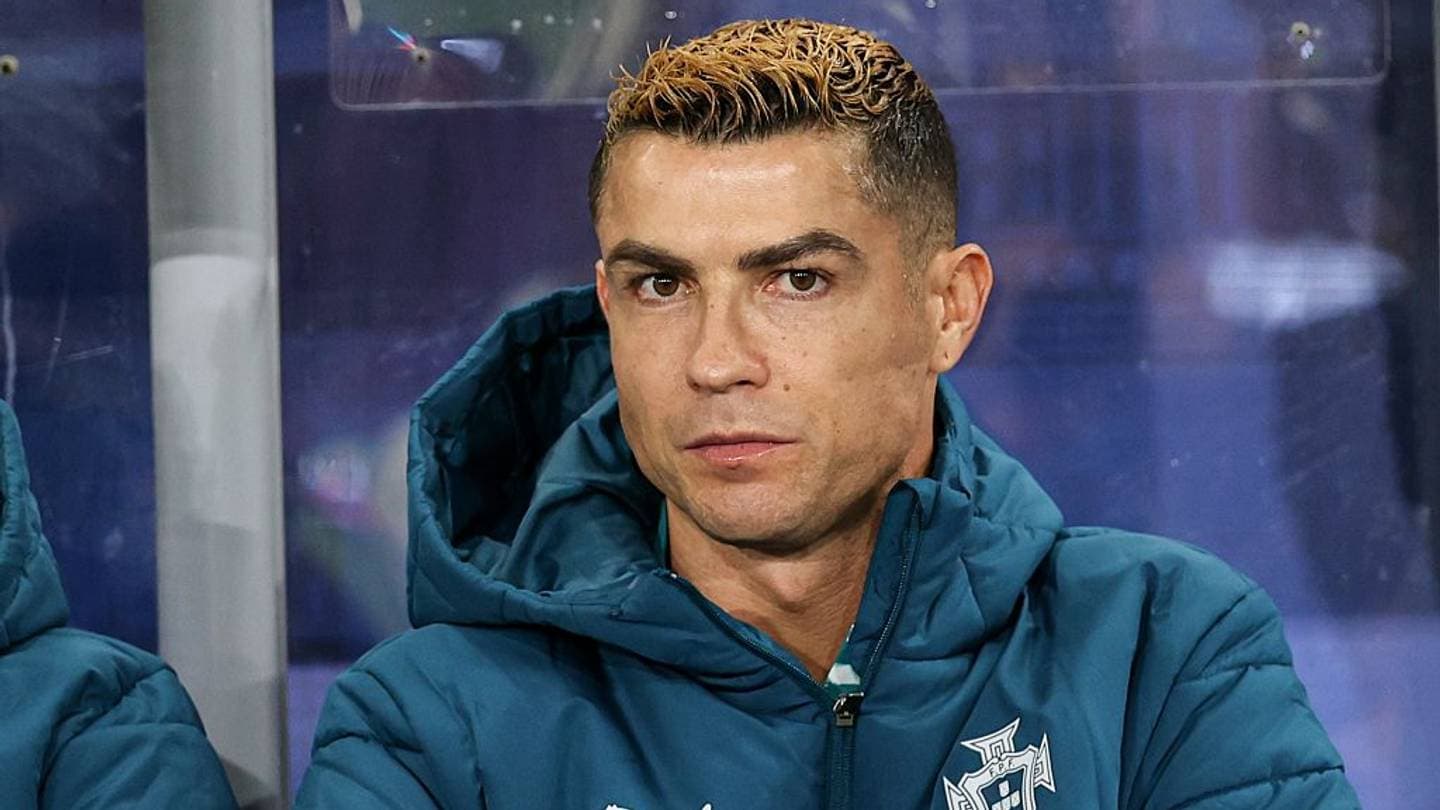
The Ballon d'Or winner ripped through a second-string Norway with a ruthless 25-minute hat-trick in the first half, dragging the spotlight away from the two headline strikers and turning France’s final Group I fixture into a 4-1 procession.
Haaland sits, Dembélé explodes
The story began an hour before kick-off, when the team sheets dropped and the noise around the stadium turned from excitement to disbelief. Haaland, four goals in two games, on the bench. Martin Ødegaard, also out. Ten changes from Ståle Solbakken, who treated a World Cup meeting with France like a glorified rest day.
“A no-brainer,” he called it, pointing to the physios, the medical data, the players’ own feedback after the win over Senegal. The defensive line was spent, the midfield heavy-legged. The decision, he insisted, came from everywhere except the stands.
The only concession he admitted to? The Norway fans, thousands of them, who had crossed an ocean for this. They wanted Haaland and Ødegaard. They got Jørgen Strand Larsen and a near-total reshuffle.
France, by contrast, went the other way. Full strength. Full noise. A front line built for New Jersey on 19 July, when they expect to be playing for the trophy, not just a place in the last 32.
The tone of the night was set inside the first minute. Mbappé, hungry to stamp his mark on the Golden Boot race, smashed a rising effort against the underside of the bar. Norway’s patched-together defence wobbled. Dembélé sensed blood.
The winger tore into the space Solbakken’s lighter, less imposing side kept leaving. Runs from deep, sharp movements between the lines, cold finishing. By the time he completed his hat-trick before the interval, the contest had tilted decisively France’s way and the “rest v rhythm” debate around Norway had turned into an open argument.
The pressure had told. On the wrong team.
Norway gamble big – and pay a price
From the outside, it looked like a huge roll of the dice. Norway were already through, true, but top spot was there for them with a result. Instead, they chose to rotate almost everyone and watch France run away with the group.
Former England striker Ian Wright, speaking before kick-off, admitted he was “surprised” at the scale of the changes, especially after Norway had gone unchanged in their wins over Iraq and Senegal. Pat Nevin, on BBC Radio 5 Live, pointed to the sheer physicality of Norway’s usual style – and the risks that come with it.
“It is a very, very physical style that the Norwegians play,” he said. If they had gone full tilt again and lost two players to injury, what then? From Norway’s point of view, that was the question that mattered more than a glamour tie with France.
Solbakken clearly agreed. He talked about the toll of the Senegal game: five or six players badly affected after 80 minutes, including the entire back line and a couple of midfielders. The sports science spoke. The manager listened.
Yet the game itself underlined the cost of such a call. Without their usual giants – “about six players that are over 6ft 4in, 6ft 5in,” as Nevin noted – Norway lacked their normal aerial menace and defensive presence. Haaland’s power, Ødegaard’s control, the physical wall at the back: all missing. France found pockets of space they would not normally have been allowed to see.
Norway still had moments. Strand Larsen, leading the line in Haaland’s place, earned a second-half penalty with the score at 3-1 and a route back into the contest flickered. Convert it and the narrative shifts: 3-2, tension, questions for France. Instead, he missed, and the chance to turn Solbakken’s gamble into a masterstroke vanished with it.
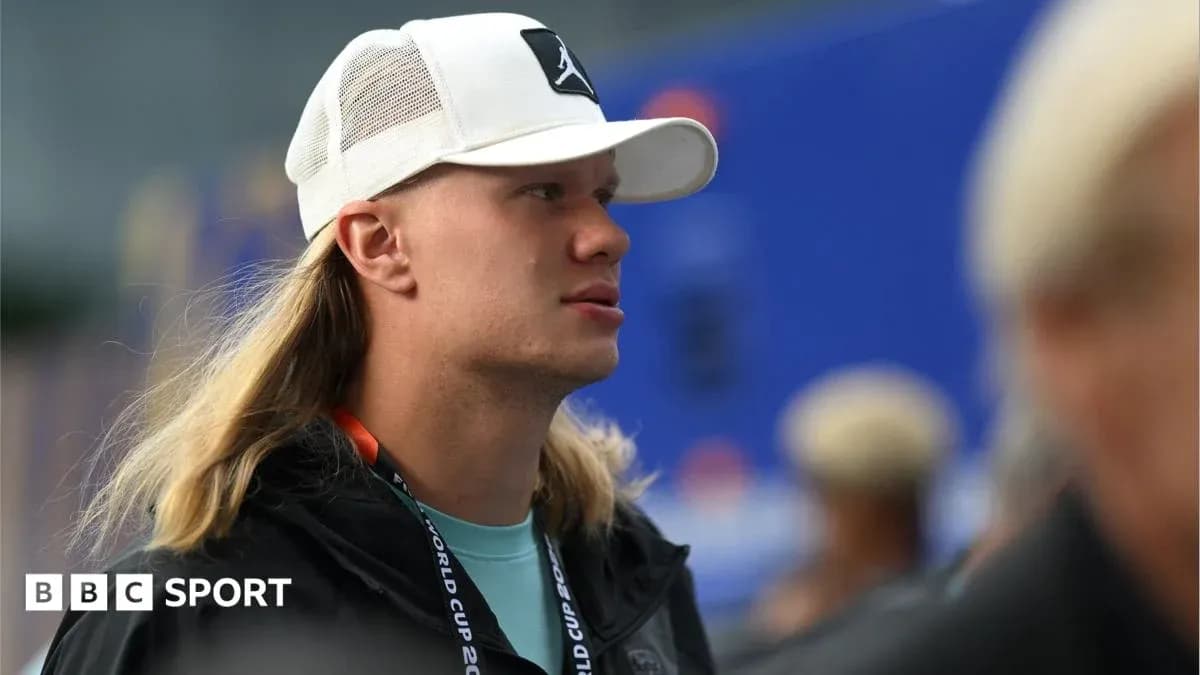
On the bench, Haaland watched. Rested, yes. Powerless, too.
Routes diverge: France cruise, Norway hit the road
France’s part in this was brutally efficient. Three wins from three, top of Group I, and a last-32 date locked in at New York New Jersey Stadium on 30 June. The reward for their authority is continuity: no long-haul disruption, no logistical headaches, and a clear line of sight to the latter stages.
They will face the runners-up in Group F or G, a tie that looks manageable on paper but rarely is at a World Cup. Still, this is exactly the path they wanted.
Norway’s route is far more punishing. Instead of a relatively short hop, they now face a 1,100-mile journey from their base in Greensboro, North Carolina to Arlington, Texas, where Ivory Coast await on the same day. Top the group and that distance is roughly halved. They did not.
The trade-off is obvious. Norway arrive in Texas fresher, at least in theory. Haaland, Ødegaard and the rest of the core should be physically primed for a straight shootout with Ivory Coast for a place in the last 16. Win that, and they finally join the party in New Jersey on 5 July, for a last-16 clash against the winners of Brazil–Japan.
“Quite complicated,” was Nevin’s description of the whole scenario – the travel, the planning, the risk of uprooting the squad unnecessarily. For Norway, the calculation seems simple: secure qualification first, protect the legs that matter, live with the consequences in the group table.
History offers mixed comfort. Spain made 11 changes in 2006 against Saudi Arabia, won the game, then crashed out to France in the last 16. Belgium, in 2018, rotated heavily, still beat England, then survived a wild 3-2 against Japan and knocked out Brazil in the quarter-finals before losing to France.
Sometimes the gamble pays off. Sometimes it doesn’t.
Fans pay, Dembélé delivers
The people with no say in any of this were the ones who felt it most sharply. The Norway supporters packed into Boston Stadium had shelled out serious money to follow their team across the United States. Many came to see Haaland. Many came to see Ødegaard. Neither started.
There was some head-scratching, some muttering when the line-ups appeared on the big screen. Then the drums started, the songs rolled out, and the Viking-style rowing celebration broke out in the stands, before kick-off, during the game, and even as Dembélé twisted the knife.
They didn’t get the duel they were sold. They got a lesson in tournament management instead.
France, for their part, will not care. They leave Boston with maximum points, a statement performance from Dembélé, and a sense that their attacking options run deeper than any single superstar.
Norway leave with a bruised scoreline, a rested core, and a long flight south. The real judgment on Solbakken’s “no-brainer” won’t come from this 4-1 defeat. It will come in Arlington, under Texan heat, when a fully loaded Norway step out against Ivory Coast and show whether all this careful preservation leads to a deeper World Cup run – or an early, avoidable exit.