Dele Alli: The Rise and Fall of a Football Prodigy
Dele Alli once moved like a rumour.
Back before the volleys at Selhurst Park, before the nights under the Wembley lights against Real Madrid, he was a teenager at MK Dons turning academy pitches into his own private runway. Thin as a rake, shirt hanging off him, but gliding past people as if gravity applied to everyone else.
Jordan Buck, a former defender who had to live through those afternoons, still sounds slightly bewildered by it.
“He was so skinny, but he just used to glide past people,” Buck told talkSPORT. “This was just a tall frame, just knows when to touch the ball, when to shift his body. And he just cut through players.”
This wasn’t the classic wide man hugging the touchline, beating full-backs with stepovers. Buck reaches for a different kind of comparison, one that tells you how unusual Alli’s game looked at that age.
“Like the way Mousa Dembele and Yaya Toure used to drive past players, not like an Eden Hazard or a Mohamed Salah,” he said. “He’d drop so deep, get the ball directly from the keeper and just glide through from his box, through the midfield, and then he’s finding a pass in the final third.”
A teenager, playing like an elite Premier League engine. No fuss. No noise. Just takeover performances.
The silent assassin
In youth football, hype usually travels faster than the players. Names like Ross Barkley arrived at fixtures with a reputation, whispered about long before kick-off. Alli was different. No big build-up. No advance warning.
“I had no idea who he was. That day, I had no idea,” Buck admitted. “There’s just this tall, skinny dude just picking up the ball and just driving through everyone. He was unreal. He was just shining through.”
The shock in his voice still lingers all these years later. Defenders expect the odd flash, the odd trick. What Alli produced was sustained control. He ran games.
Buck reaches for another reference point from his youth days: Yann Gueho. Not the same style, but the same sense that one player could tilt the pitch on his own.
“Kind of similarly to Yann Gueho, I think not as explosive, erratic and showboaty as Yann. But definitely had a similar sort of impact on the pitch,” Buck said. “He’d take care of bringing the ball up the entire length of the pitch. And I was in shock.”
That ability to collect the ball from his own box, carry it through traffic and still pick a pass in the final third made his £5 million move to Tottenham in 2015 feel inevitable. Scouts love data, clips, reports. Sometimes, though, a player makes all of that feel redundant. You see them once and know.
For Buck and his teammates, Alli was one of those. The talent hit you from the first whistle.
From Wembley to the wilderness
The story that followed is etched into Premier League memory. The acrobatic volley at Selhurst Park. The swaggering brace against Real Madrid at Wembley. The late runs, the nutmegs, the feeling that Spurs had a midfielder who could live among Europe’s elite for a decade.
That version of Dele Alli feels a long way from the reality now.
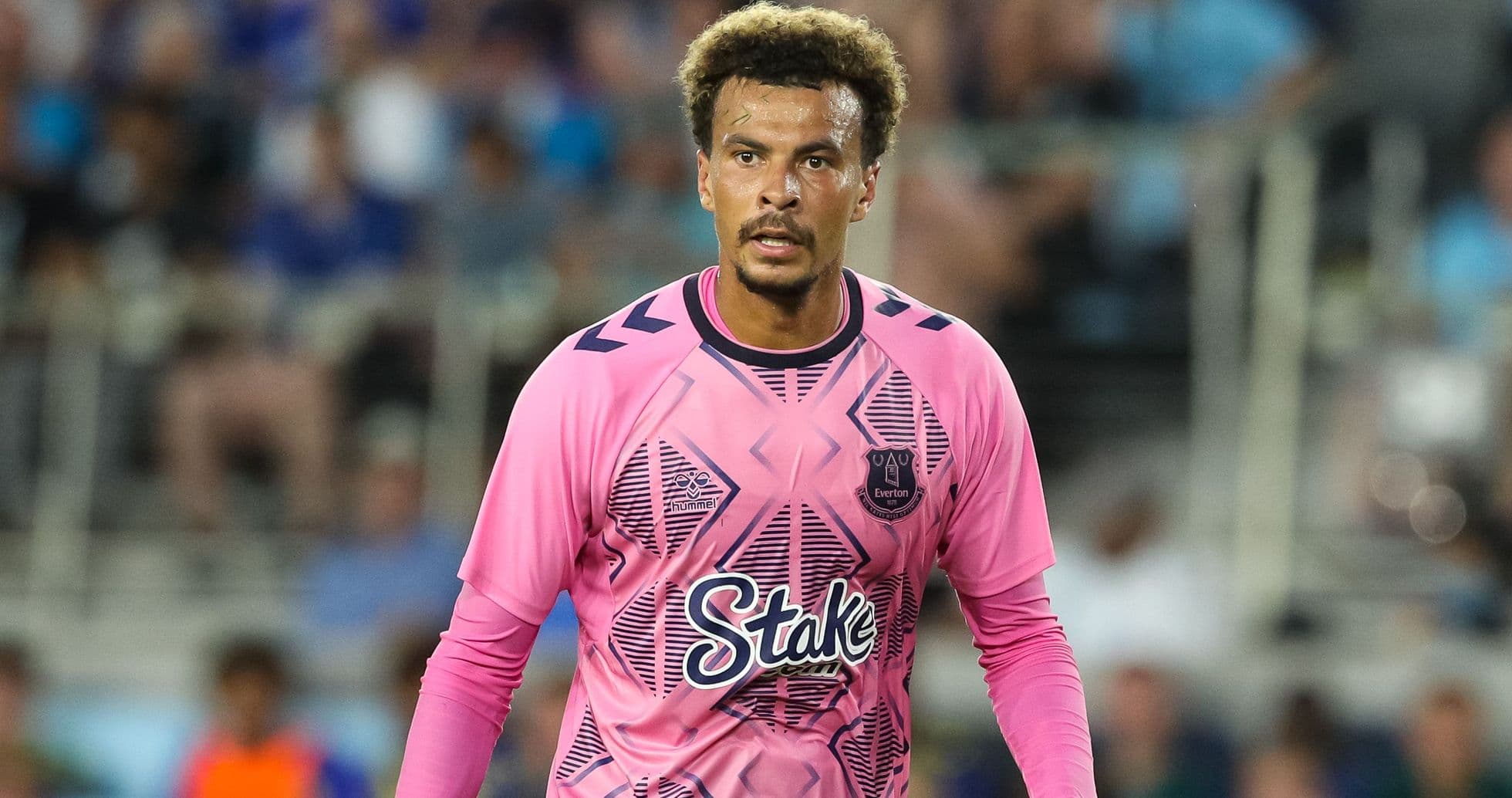
The slide began at Everton, where form deserted him and minutes dried up. A loan to Besiktas in Turkey offered a reset, but never caught fire. Most recently, he tried to stitch his career back together in Italy under Cesc Fabregas at Como, an intriguing partnership on paper that never truly had time to breathe.
Como terminated his contract in September. Just like that, the former prodigy became a free agent again, drifting outside the professional game’s inner circle at just 30.
Once compared with the very best in Europe, Alli now faces a far harsher market. Clubs remember the goals and the big nights, but they also see the injury record, the lost years, the uncertainty. He has to prove his fitness. He has to prove his form. Above all, he has to convince sceptical decision-makers that the player Buck saw as a teenager still exists beneath the scar tissue.
Football does not wait. It moves on, brutally and without sentiment, even for those who once lit up its biggest stages.
Living with genius
Buck’s memories of Alli sit alongside another vivid reference point from his career: the daily madness of sharing a training ground with Adel Taarabt at QPR.
If Alli was the silent assassin, Taarabt was the showman. A different personality, a different type of chaos, but the same unmistakable sense of world-class talent.
“I got to see Adel Taarabt up close, and he was just a monster. He is the best player that I have ever seen up close and personal. It was just ridiculous,” Buck said.
The word he keeps coming back to is “insane”.
“He was absolutely insane. Nutmegs, it was just for fun. Nothing you can do about it, don't even try. It's going to happen,” Buck recalled. “The best thing you can do is stay three feet away from him, then he just shoots and scores, so it's lose, lose.”
On those QPR camps, it felt like they had their own street football deity dropped into structured training.
“We had our own little Ronaldinho on camp just doing Ronaldinho-type stuff. It was nuts!”
Taarabt’s career, like Alli’s, stands as a reminder that raw ability is only one part of a far more complicated equation. The game is littered with players who looked untouchable on Tuesday mornings but never quite found a permanent home at the very top.
Alli sits at that crossroads now. The teenager who once glided from his own box to the opposition’s, the young star who embarrassed Real Madrid under the arch, is back where every career either restarts or ends: waiting for a phone call, and one last chance to prove that those early witnesses weren’t wrong.