Chicago Fire II Dominates Huntsville City in 4–0 Victory
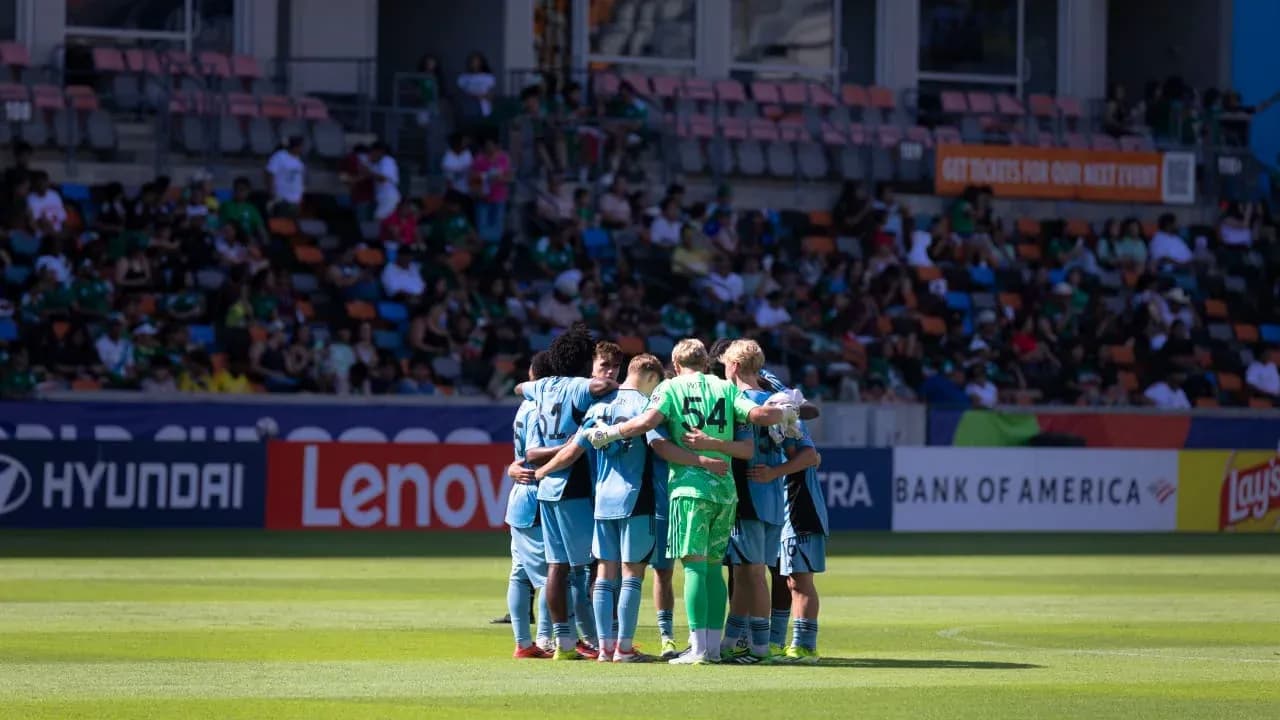
SeatGeek Stadium under the late‑spring lights staged a meeting between two of MLS Next Pro’s most volatile sides, and the 4–0 scoreline to Chicago Fire II told a story of contrasting identities as much as it did of the night itself. In the group‑stage grind of the 2026 season, both Chicago Fire II and Huntsville City arrived with 11 matches behind them and identical records in one respect: no draws. Every outing had produced a winner and a loser, and this fixture was never likely to be about balance. It was about who could impose their chaos better.
Team Formations
Heading into this game, Chicago Fire II’s seasonal DNA was clear. Overall they had 6 wins and 5 defeats from 11, with 18 goals for and 16 against: a fragile equilibrium, but one tilted by sharp attacking spikes. At home, they had been ruthless: 4 wins from 6, scoring 12 and conceding 9, averaging 2.0 goals scored and 1.5 conceded at SeatGeek Stadium. Huntsville City, by contrast, were the league’s wild card. Overall they had 23 goals for and 26 against from 11 matches, a negative goal difference of -3 despite 6 wins. On their travels they were thrilling and reckless in equal measure: 12 goals scored and 18 conceded away, an average of 2.0 goals for and a punishing 3.0 against. This was always going to be a night where defensive structures were tested to breaking point.
Tactically, the lineups underlined those tendencies. For Huntsville City, Chris O’Neal sent out an XI built on mobility and technical profiles rather than obvious physical anchors. X. Valdez and X. Aguilar bookended the side, with figures like A. Talabi and N. Prince expected to give some steel to a unit that has too often been stretched on their travels. The presence of ball‑carrying and link players such as L. Christiano, A. Iniguez and M. Yoshizawa hinted at a plan to play through Chicago’s first line rather than go direct. Ahead of them, A. Jarvis, F. Reynolds and N. Sullivan offered verticality and pressing triggers, trying to turn Huntsville’s high‑scoring nature into a weapon rather than a liability.
Chicago Fire II’s starting group, even without a listed coach in the data, looked more balanced and better suited to managing the game’s rhythm. J. Nemo, D. Nigg and C. Cupps formed part of a defensive core that has allowed only 9 home goals in 6 league fixtures heading into this match, a respectable 1.5 per game given the attacking risk they often accept. Around them, players like C. Nagle and O. Pineda provided the connective tissue between back line and midfield, while R. Fleming and D. Hyte offered the energy and running to turn defensive actions into counter‑attacking thrusts. In the final third, R. Turdean, V. Glyut and D. Boltz formed a front line built for vertical surges and aggressive pressing, the kind of unit that can punish a side like Huntsville that concedes big chances away from home.
Tactical Analysis
The tactical voids for both teams were less about absentees—no missing‑player data was recorded—and more about structural habits. Chicago’s main vulnerability this season has been game‑state management. Their form line of “WLWWWLLLWLW” speaks to streaks: three straight wins followed by three straight losses, then another oscillation. They concede 1.5 goals per match overall, but their card distribution hints at a side that must tackle fire with fire in the middle third. A full 33.33% of their yellow cards come between 46–60 minutes, with another 22.22% from 61–75 and 22.22% from 76–90. They often turn the second half into a series of duels and tactical fouls to protect or chase a result.
Huntsville City’s disciplinary profile is even more dramatic. Only 3.45% of their yellow cards arrive in the opening quarter‑hour, but the game grows steadily more combustible. A late‑game surge of 34.48% of their yellows lands between 76–90 minutes, and they have seen red both in the 31–45 range (50.00% of their reds) and in the 76–90 window (the remaining 50.00%). That is the profile of a team that often chases matches, stretching their shape and making increasingly desperate interventions as fatigue and scoreboard pressure mount. Away from home, where they concede 3.0 goals per match, those late collapses are particularly costly.
Key Matchups
Within that context, the key matchups take on a “Hunter vs Shield” quality. Chicago Fire II at home average 2.0 goals scored; Huntsville City away concede 3.0. The home side’s attacking trio—fronted by the movement of Turdean and the support runs of Glyut and Boltz—were always likely to find space against a Huntsville back line that has already suffered away defeats as heavy as 7–2 this season. Conversely, Huntsville’s overall attacking average of 2.2 goals per game (with 2.0 on their travels) was set to probe a Chicago defense that, while improved, still allows 1.5 goals per match overall and 1.5 at home.
In the “Engine Room”, figures like Pineda and Fleming for Chicago were tasked with disrupting the technical flow of Iniguez and Yoshizawa. Chicago’s willingness to take bookings in the 46–75 minute band suggested a deliberate plan: allow Huntsville to have some early possession, then tighten the screws after the break, even at the cost of yellow cards. Huntsville, meanwhile, needed Talabi and Prince to hold their line without tipping into the kind of late‑game rashness that has already produced red cards in key windows.
Post-Match Analysis
Following this result, the statistical prognosis for both sides sharpens. Chicago Fire II’s 4–0 home win fits their “biggest home win” profile of 4–0 and reinforces the idea that at SeatGeek Stadium they can be a controlled, clinical attacking outfit. Their season averages of 1.6 goals scored and 1.5 conceded overall may now tilt marginally in their favor, but the broader picture remains: they are a high‑variance side whose ceiling is as high as any in the division.
For Huntsville City, the defeat is a brutal confirmation of their away‑day fragility. With 18 goals conceded on their travels heading into the match and now another four shipped, the pattern is unmistakable: their attacking verve is not enough to offset structural looseness and late‑game indiscipline. Even with a perfect penalty record (1 from 1 overall, 100.00% scored and 0 missed), their season is being defined not by moments from the spot but by open‑play chaos.
From an xG and defensive solidity standpoint—using their goals‑for and goals‑against averages as proxies—Chicago Fire II look the more sustainable project. A home profile of 2.0 scored and 1.5 conceded, backed by three clean sheets overall and only one match failed to score at home, suggests a team whose underlying numbers can support a playoff push if they smooth out the losing streaks. Huntsville’s 2.2 scored and 2.5 conceded overall, with a particularly stark 3.0 conceded away, paint the picture of a side living on the edge of probability; over a full campaign, that balance tends to tilt toward more nights like this one.
In narrative terms, this 4–0 is more than a single emphatic win. It is a snapshot of two trajectories: Chicago Fire II learning to weaponize their home strengths and manage the chaos, Huntsville City still struggling to harness their attacking fire without being consumed by it.