Why Brazil Fell Short at the 2026 World Cup: Ancelotti's Side Knocked Out by Norway
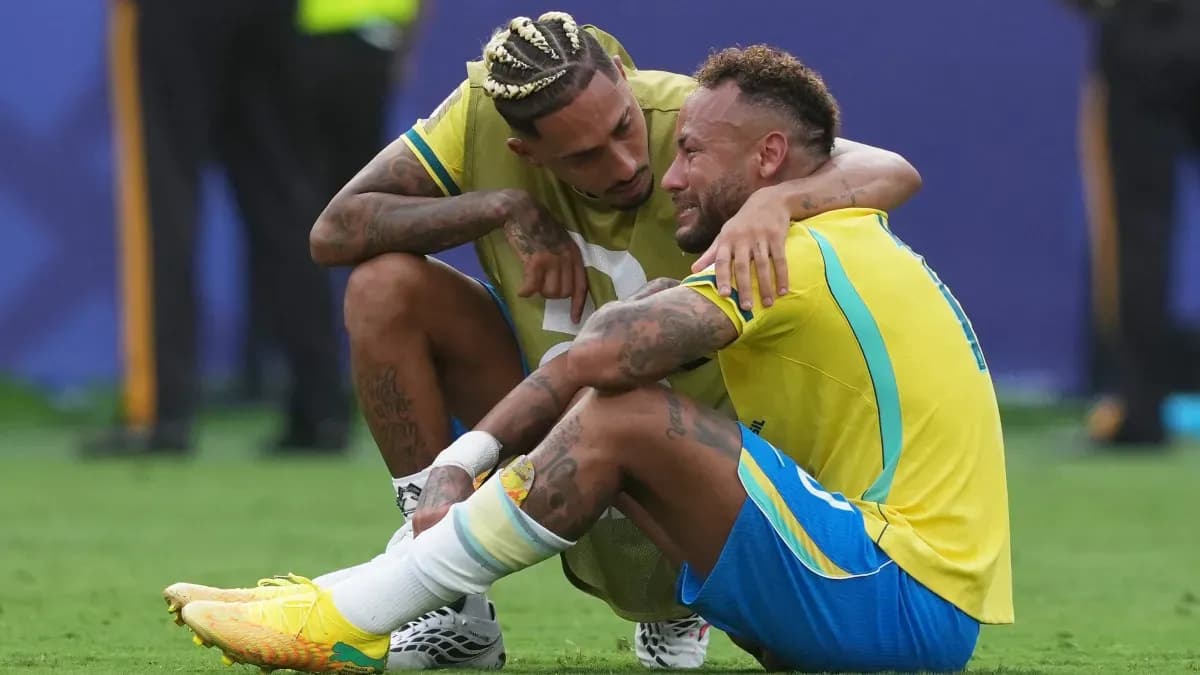
Brazil's disappointment at the 2026 FIFA World Cup continued with a 2-1 loss to Norway in the Round of 16, ending Carlo Ancelotti's campaign abruptly. This defeat marked another missed opportunity for the five-time champions, who have struggled to reach the semifinals in recent tournaments since their 2002 triumph. Their only recent semifinal appearance ended with the painful loss to Germany on home soil.
Where Things Went Wrong
The most glaring issue was Brazil’s inability to finish their opportunities. Despite creating chances, they often failed to put the ball in the net. Across five games, Brazil underperformed their expected goals (xG) in four matches, netting 10 goals from an xG of 12.02. Excluding the dominant win over Haiti where they scored four times from just 1.75 xG, Brazil managed six goals on 10.27 xG in other matches.
In the knockout clash against Norway, critical moments defined the outcome: Bruno Guimaraes missed a penalty, and Endrick squandered a clear one-on-one chance with just the goalkeeper to beat. These misses tipped the balance. The struggles began early too; Igor Thiago was ineffective in front of goal against Morocco and did not feature again.
Vinicius Jr. showed moments of brilliance, but lacked sufficient support from teammates to carry the attack.
Midfield Burden and Struggles
The midfield proved problematic throughout the tournament, forcing tactical shifts. Casemiro, despite a strong club season, appeared worn down by age and inconsistent in both defense and possession. Ancelotti removed him at halftime twice but persisted in starting him. Lucas Paqueta offered little impact before injury sidelined him, leaving Bruno Guimaraes to shoulder excessive responsibility. Guimaraes had to defend, maintain possession, resist pressing opponents, and create chances alone, limiting his effectiveness.
Defensive Worries at Key Moments
Expectations were high for the center-back pairing of Marquinhos and Gabriel, both from clubs that reached the Champions League final this year. Instead, they faltered in crucial moments. Gabriel was repeatedly exposed, including being outmatched by Erling Haaland during Norway’s opening goal. Defensive hesitation and lack of pressure allowed Haaland to score his second goal unchallenged.
Impact of Injuries
Injuries to Raphinha and Lucas Paqueta weakened Brazil’s depth. Losing Raphinha was particularly damaging, as he provided vital off-ball movement and balance alongside Vinicius Jr. His replacement, Bournemouth’s young Rayan, was promising but unable to replicate Raphinha’s influence.
Tactical Defeat to Norway’s Coach
Norway’s manager, Stale Solbakken, outmaneuvered Ancelotti tactically. Brazil, aware of their midfield difficulties, chose to cede possession, hoping Norway would struggle with the ball. This strategy backfired, allowing Norway to patiently build attacks and supply Haaland efficiently.
"That was our plan, to keep the ball as much as we could and from the beginning we knew we would have the ball," Solbakken said after the match. "We wanted to be slow. Perhaps what we did wrong in the first half was we played two or three balls into the middle where they counter-attacked against us, that's why we made the substitutions. That's why we played in the outside zones. We knew that we had seen Brazil's counter-attacking, it goes very fast, and we also knew that when they get the ball in the front half, then they push Casemiro and Bruno Guimaraes into the box. So we wanted to counteract that by keeping the ball."
Brazil’s approach handed Norway the control they needed. Ancelotti, widely regarded as one of football’s top coaches, found himself tactically outplayed in this encounter.