Austin II Dominates Sporting KC II in MLS Next Pro Clash
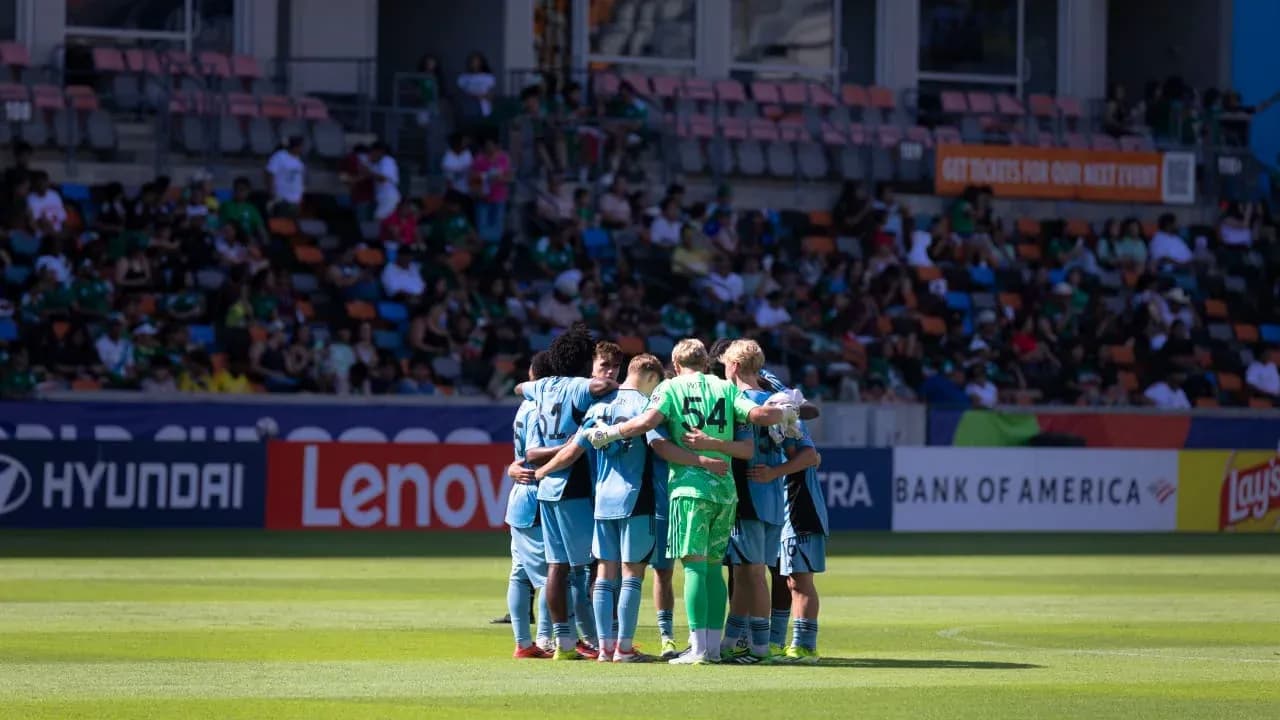
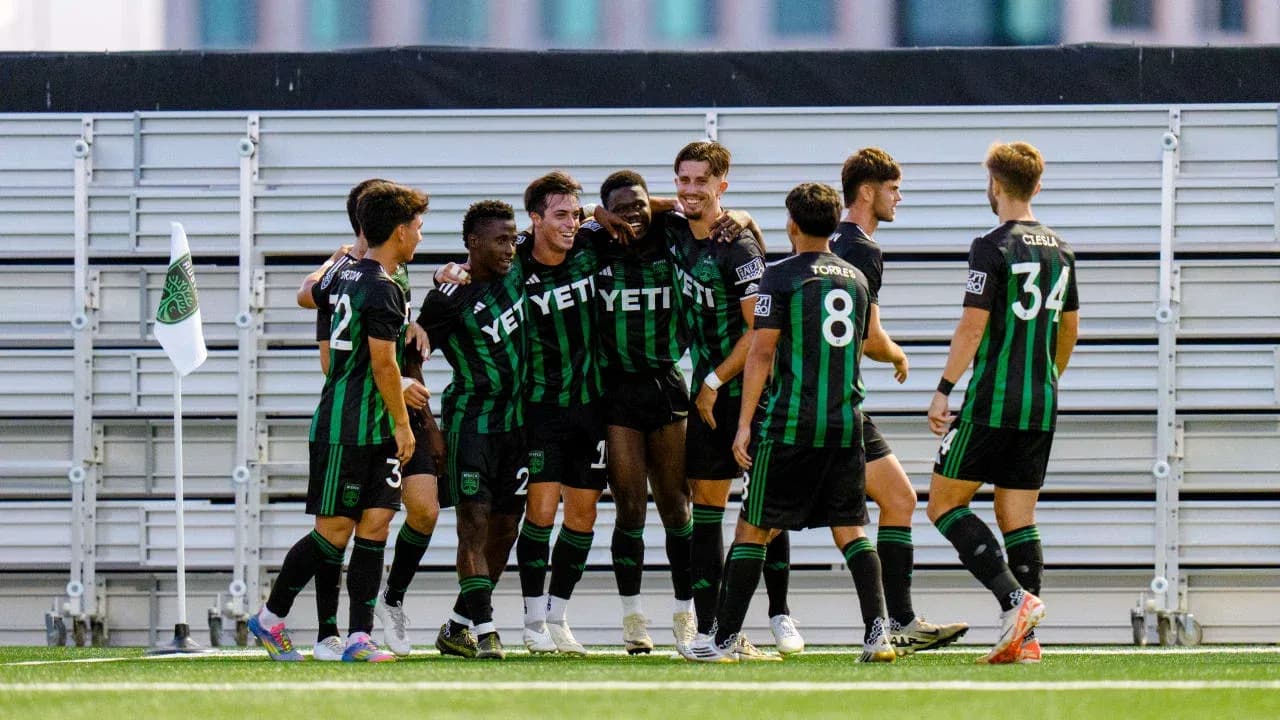
Under the lights at Swope Soccer Village, this MLS Next Pro Group Stage clash unfolded as a stark illustration of where these two projects currently stand. Sporting KC II, mired near the bottom of the Frontier Division, were dismantled 3–0 by an Austin II side that arrived in Kansas City playing like a promotion contender and left looking every inch of it.
Following this result, the league table tells a blunt story. Sporting KC II sit 6th in the Frontier Division with 10 points from 14 matches, their overall goal difference a bruising -22 from 15 goals scored and 37 conceded. On their own pitch, the numbers are even more unforgiving: at home they have played 9, won just 1 and lost 8, scoring 7 and conceding 23. Austin II, by contrast, are 2nd in the Frontier Division on 25 points from 11 games, with an overall goal difference of +13 (22 goals for, 9 against). On their travels they have been perfect: 5 away matches, 5 wins, 9 goals scored and only 1 conceded.
This game fit those season-long patterns almost too neatly. Sporting’s seasonal DNA is that of a fragile, open side. Overall they score 1.1 goals per match while conceding 2.8; at home they average 0.8 goals for and 2.7 against. They have yet to keep a single clean sheet this campaign, and they have failed to score in 6 matches overall, 5 of those at home. Austin II’s profile is the mirror image: a front-foot, efficient unit averaging 2.1 goals for and 1.0 against overall, and on their travels 2.0 scored and just 0.2 conceded per game, underpinned by 4 away clean sheets.
Team Selections
Istvan Urbanyi’s selection for Sporting KC II leaned heavily into youth and energy. J. Molinaro, J. Francka, P. Lurot and L. Antongirolami formed the backbone of a side that looked more developmental than hardened. In midfield, B. Mabie, G. Quintero and M. Rodriguez were tasked with knitting possession, while J. Ortiz, S. Donovan and K. Hines carried the attacking burden. The bench—J. Kortkamp, T. Burns, T. Ikoba, C. Derksen, T. Haas, E. Brooks, F. Dean and S. Worcester—offered fresh legs but little in the way of proven experience at this level.
Austin II’s XI, by contrast, had the air of a team comfortable in its own structure even without a listed formation. E. Lauta anchored the back line with R. Thomas, E. Watt, J. Bery and D. Dobruna providing defensive stability. In front of them, D. Barro and K. Hot gave the visitors a double pivot capable of both screening and progressing play. Higher up, D. Abarca and J. Alastuey operated as creative fulcrums, with L. Feliciano and I. Sall offering penetration and direct threat. The bench—L. Flynn, M. Ruszel, D. Ciesla, P. Cayelli, V. Danciutiu, N. Che, S. Dobrijevic and D. Romero—was deep enough to sustain intensity and adjust game states.
Tactical Analysis
If we frame this through the “Tactical Voids” lens, Sporting’s biggest gap was structural rather than personnel-based. With no clean sheets all season and a home defensive average of 2.7 goals conceded per match heading into this fixture, they are a side that struggles to control space between the lines. Their card profile underlines a team often chasing games: 22.22% of their yellow cards arrive between 16–30 minutes and another 22.22% between 31–45, suggesting early pressure and reactive defending. Later in matches they still pick up cards—16.67% between 46–60 and 16.67% between 76–90—hinting at fatigue and late, desperate interventions.
Austin II’s disciplinary map is different. Their yellow cards peak between 46–60 minutes at 21.88%, then remain steady in the 31–45, 61–75 and 76–90 windows (each 15.63%). That spread suggests a side that defends aggressively in phases but rarely loses its head. The one red card in their season comes in the 76–90 range, a reminder that their intensity can occasionally spill over in closing stages, but it is the exception rather than the rule.
Matchup Overview
In terms of key matchups, this fixture was essentially “collective Hunter vs collective Shield” rather than about individual stars, given the absence of top-scorer data. Austin II’s attack, averaging 2.0 goals on their travels, went up against a Sporting KC II home defence conceding 2.7 per match. That clash of trends always favoured the visitors. The reverse matchup—Sporting’s 0.8 home goals per game against an Austin II away defence allowing just 0.2—was even more lopsided. The 3–0 scoreline is not an outlier; it is a statistical confirmation of pre-existing trajectories.
The “Engine Room” battle was similarly tilted. Austin II’s ability to sustain clean sheets (6 overall, 4 away) comes from the platform built by players like D. Barro and K. Hot in midfield, who shield the back four and allow creative figures such as D. Abarca and J. Alastuey to play higher without compromising defensive balance. Sporting KC II, by contrast, have yet to find that equilibrium. Their biggest win at home this season is 3–2, while their heaviest home defeat is 0–5; they can occasionally outscore problems, but when the structure collapses, it does so dramatically.
Expected Goals Perspective
From an Expected Goals perspective, even without raw xG numbers, the season-long shot and goal patterns allow a reasoned prognosis. A team that concedes 2.8 goals per match overall and allows opponents to regularly reach three and five-goal tallies is almost certainly giving up high-quality chances in central areas and in transition. A side that scores 2.1 goals per match overall and has never failed to score, like Austin II, is consistently generating good shooting positions and converting at a solid clip. The three goals they produced here are fully in line with that offensive xG profile, while Sporting KC II’s blank aligns with a home attack that has already failed to score in more than half of its outings.
Strategic Implications
Following this result, the strategic implications are clear. For Sporting KC II, the priority is defensive consolidation: compressing distances between lines, protecting the central channel in front of Molinaro, and giving midfielders like Quintero and Mabie clearer, more conservative rest-defence roles when the ball is lost. For Austin II, this match reinforces a winning blueprint: disciplined, aggressive defending on their travels, a compact back four shielded by an industrious midfield, and enough technical quality in the final third to turn territorial control into goals. In a season where margins for promotion are slim, this was less a one-off statement and more another chapter in a campaign that already has a clear, coherent identity.