
Arsenal's Champions League Quest: Arteta Aims for Glory in Budapest
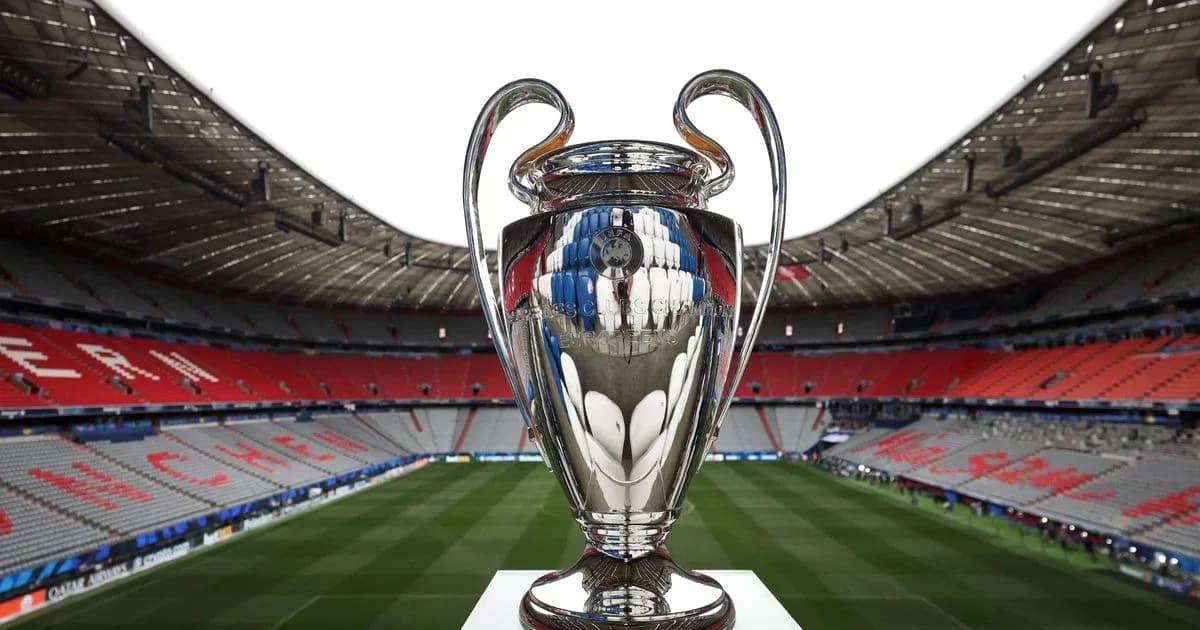
The Puskás Aréna will feel like the centre of the footballing universe on Saturday night. Arsenal arrive in Budapest as newly crowned champions of England, chasing the one prize that has always slipped through their fingers. Win here, and this team moves from revival story to football folklore.
They come into it on a surge. The Premier League was wrapped up on Tuesday, the title finally dragged back to north London under Mikel Arteta. That changes everything. This is no longer a club clinging to the Champions League as its only route to validation. The big domestic question has already been answered. The shoulders are looser. The minds, clearer.
Across the halfway line, though, stands a giant with recent scars and fresh medals. Paris Saint‑Germain, the reigning European champions, walk into Hungary as favourites with the bookmakers. The odds tilt their way, and with good reason. They know how to navigate this stage now. They know how to suffer, how to win ugly, how to close the door when the light starts to flicker.
Arsenal, though, carry something PSG cannot buy: the rush of a team that has just proved to itself it can finish the job.
A title that changed the temperature
For months, every discussion around Arsenal came back to the same nagging doubt: can they actually get over the line? Could this vibrant, high‑pressing, technically polished side handle the weight of a run‑in with everything on the line?
They have their answer. The Premier League is in the bag, and that alters the dynamic of this final in ways that go far beyond tactics and team sheets.
The pressure that once suffocated now liberates. Arteta’s players no longer step into Budapest haunted by the fear of another nearly season. They arrive as proven winners, with the psychological ballast that brings. The question has shifted from “can they?” to “how far can they go?”
Momentum matters at this level. Once a team learns how to cross the finishing tape first, it becomes a habit that is very hard to break.
Eze and Gyökeres: the new cutting edge
This is not the Arsenal of old, pretty in possession and wasteful in the moments that define seasons. There is a sharper edge now, embodied by two summer signings built for nights like this.
Eberechi Eze was recruited precisely for these stages. He has already scored in a cup final; the occasion does not shrink him. He glides into those pockets between the lines, sees angles others miss, and carries a rare threat from distance. One sight of goal from range, one clean strike, and he has the tools to pierce PSG’s armour and tilt history Arsenal’s way.
Ahead of him, Viktor Gyökeres has bulldozed his way through the campaign. Twenty‑one goals tell only part of the story. He runs channels, he wrestles centre‑backs, he never stops asking questions. It is that relentlessness that has earned him the likely nod to start in Budapest, even with other high‑profile options waiting in the wings.
This is the cutting edge Arsenal have lacked in previous European campaigns. This time, they do not need to create ten chances to score one. They have finishers who live for the single moment that decides a final.
A defensive gamble against a ruthless winger
The romance of the occasion cannot hide a brutal reality: Arsenal are walking into this final with a major problem at the back.
Ben White’s absence tears a hole in Arteta’s defensive structure. He is not just a right‑back; he is a passing outlet, a pressing trigger, a quiet organiser. Losing him on a night like this is a serious blow.
The hope has been that Jurriën Timber could race back in time, his versatility and composure offering an elegant solution. He is good enough to transform a back line on his own. Yet the signs around his fitness are not encouraging. Arteta may be forced into a high‑stakes call.
That points towards Cristhian Mosquera. A centre‑half by trade, the Spaniard has shown composure and promise throughout the season, enough to earn trust in big domestic games. But this is a different world. On Saturday, he is likely to find Khvicha Kvaratskhelia hurtling at him, a winger whose blend of directness and flair stretches even the most established defenders.
This is where the final tilts into risk. Can a young defender playing slightly out of his natural role hold his nerve when Kvaratskhelia squares him up, when the stadium roars and the grass suddenly feels smaller? Arsenal’s entire structure will need to bend to protect that flank, without snapping.
Arteta has built a side that presses as a unit, that squeezes space and suffocates supply lines. Against PSG, that system will have to work perfectly to shield Mosquera, or whoever fills that role, from being exposed in too many one‑on‑ones with one of Europe’s most dangerous wide men.
The bench that could decide everything
Champions League finals rarely fit neatly into 90 minutes. Legs fade, space opens, and the match often becomes a test of which manager can summon the right weapon from the bench at the right time.
For Arsenal, one name stands out: Kai Havertz.
He started against Burnley and scored the goal that effectively sealed the Premier League title. That alone would be a career‑defining contribution for many players. Yet here he is again, poised to influence another season‑defining night, this time most likely from the bench.
Gyökeres’ goal haul makes him the logical starter, but Havertz is the classic late‑game disruptor. He has already scored once in a Champions League final in his career. He understands the rhythm of this stage, the strange mix of chaos and control that takes hold as tired minds make slower decisions.
Drop him into a stretched game on 70 or 80 minutes, and he brings a different kind of menace: clever movement, aerial threat, the knack of drifting into the one patch of space that matters. If this final drags into extra time, if it becomes a war of attrition, Havertz has all the tools to write his name into Arsenal history in a single touch.
Arteta’s masterpiece in the making
Whatever happens in Budapest, Mikel Arteta has already dragged Arsenal back to a level many doubted they would see again so soon. The Premier League title is a monumental achievement in itself. Yet this final offers something more: the chance to complete a transformation that began with a club in disarray and now stands one match away from the summit of Europe.
His work in reshaping the culture, the squad and the standards at Arsenal has not always been given its full due. This is a team with a clear identity, a ferocious work ethic and a belief that it belongs on nights like this. That does not happen by accident.
The prediction from inside the Arsenal camp leans towards a familiar scoreline: a tight, nervy, ruthless 1‑0. Classic Arsenal, but in a new era, on a bigger stage.
If that comes to pass, if the Champions League trophy is finally lifted in red and white under the lights of the Puskás Aréna, there will be no debate about the architect. Arteta will stand at the heart of it all, the man who took Arsenal back to the top of England and then dared to push them to the very peak of Europe.
The only question left is whether this team is ready to seize immortality when the whistle blows and the night in Budapest begins to burn.





