Argentina’s World Cup Decline Sees Lionel Messi’s Career Close on a Sour Note
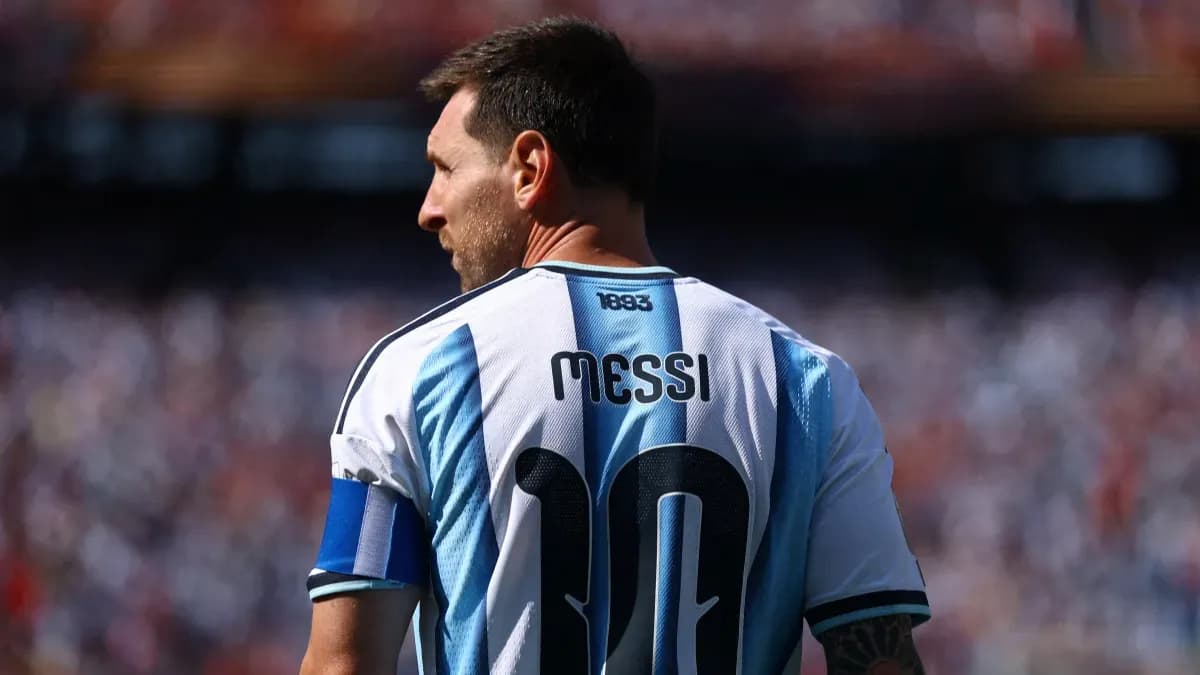
As Spain's players erupted in celebration after Ferran Torres scored, Lionel Messi quietly adjusted his socks. This wasn't a moment of fiery anger but one of exhaustion. His third World Cup final felt more like grudging effort than brilliance under the New Jersey sun.
By extra time in the 2026 final, Argentina’s last meaningful attack had been Lautaro Martinez’s semifinal-winning goal against England. Messi’s role seemed minimal, drifting on the edges of the game. Maybe it was his way out after a legendary career. Anyone with pride would want to distance themselves from what Argentina showed in their 1-0 loss at MetLife Stadium—they were simply disgraceful.
Argentina’s Football Identity: Beauty and Brutality
Argentine football has always captivated and confused in equal measure, steeped in stories that shape its identity. Messi represents the purest form of beautiful football, yet Argentines boast a version of the game that blends artistry with cunning—born from the tango-loving, wine-soaked spirit of teams like River Plate’s La Maquina in the 1940s and Diego Maradona’s golden era.
The 1957 Copa America side, led by flamboyant forwards like Omar Corbatta and Humberto Maschio, epitomized free-flowing attacking football known as la nuestra. River Plate’s Federico Vairo famously called them “sinverguenzas” (shameless) and “caras sucias” (dirty faces), hinting at their street-smart, sometimes dark methods. Maradona’s infamous Hand of God goal alongside his Goal of the Century embodies this mix of magic and mischief.
Some Argentine teams favored toughness, like the relentless Estudiantes squads that dominated the Copa Libertadores in the late 1960s, clashing fiercely in Intercontinental Cups against Manchester United and AC Milan.
The nation’s World Cup history reveals a split. Cesar Luis Menotti’s 1978 champions played attacking, expressive football, but by 1983 Carlos Bilardo’s pragmatic, hard-nosed approach powered Maradona’s 1986 triumph and a gritty run to the 1990 final, remembered as one of the ugliest World Cup deciders. The 2026 final at Meadowlands might rival it in ugliness.
Messi’s Beautiful Era Ends in Disgrace
This tension between elegance and ruthlessness runs through Argentina’s football story. After heartbreaks in the 2010s, the 2020s brought hope for Messi’s fading career. Coach Lionel Scaloni rebuilt the team after the 2018 disappointment, crafting a side that finally eased the burden on Messi.
The 2022 Qatar World Cup was thrilling. Rising stars Enzo Fernandez and Julian Alvarez brought energy, Angel Di Maria shone, and Messi dazzled en route to a classic final victory over France.
Yet, their 2026 campaign soured quickly. Following their 2021 Copa America win and 2024 success, Messi seemed to turn back time with six group-stage goals, including a hat-trick against Algeria and a magical finish versus Cape Verde. His eighth goal came with a crucial equalizer in a comeback win against Egypt, ending in tears.
But facing tougher European sides, Argentina struggled. Extra time was needed to overcome Switzerland, then they scraped past England as nerves frayed. Against Spain in the final, the team fell back on darker tactics. Referee Slavko Vincic gave them leeway; Alexis Mac Allister avoided a booking for a harsh challenge early on, setting the tone.
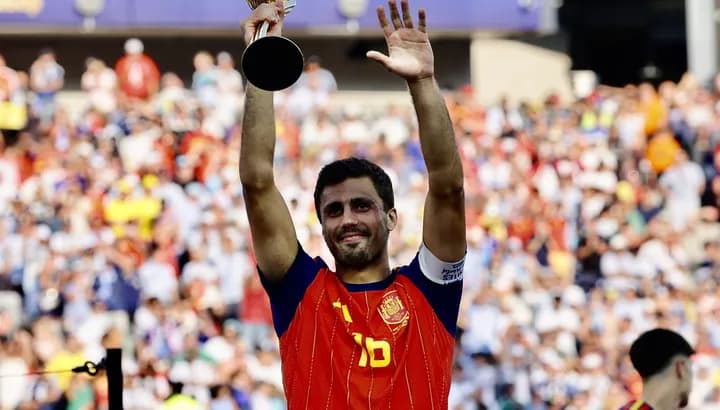
Argentina pushed the limits, disrupting Spain’s rhythm without offering much footballing beauty. Frustrations boiled over when Fernandez was sent off, and Leandro Paredes, brought on to calm the midfield, resorted to rough play himself. Had he been dismissed, he wouldn’t have taken part in the chaotic post-match scuffle sparked by Nahuel Molina’s clash with Rodri, who earned player of the tournament honors that some thought might have gone to Messi.
Before the final whistle, Messi showed glimpses of his old magic, threading passes and unleashing powerful shots, but even he stooped to petty complaints about opposition behavior. It reflected a team running on fumes, desperate for any edge.
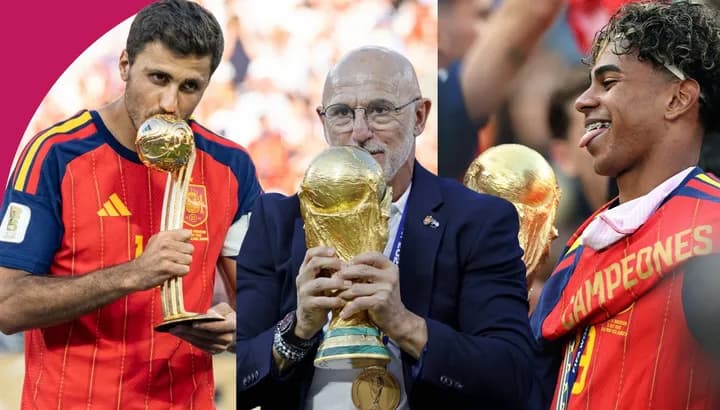
Spain’s celebrations felt fitting for a final many will forget. Who wants to recall Messi’s name linked with a side trying to sneak a win through unsavory means? This stains the closing chapter of an extraordinary career but doesn't tarnish Messi’s legacy. It’s just sad that the end was so mired in frustration and struggle, a far cry from the moments that defined his greatness.