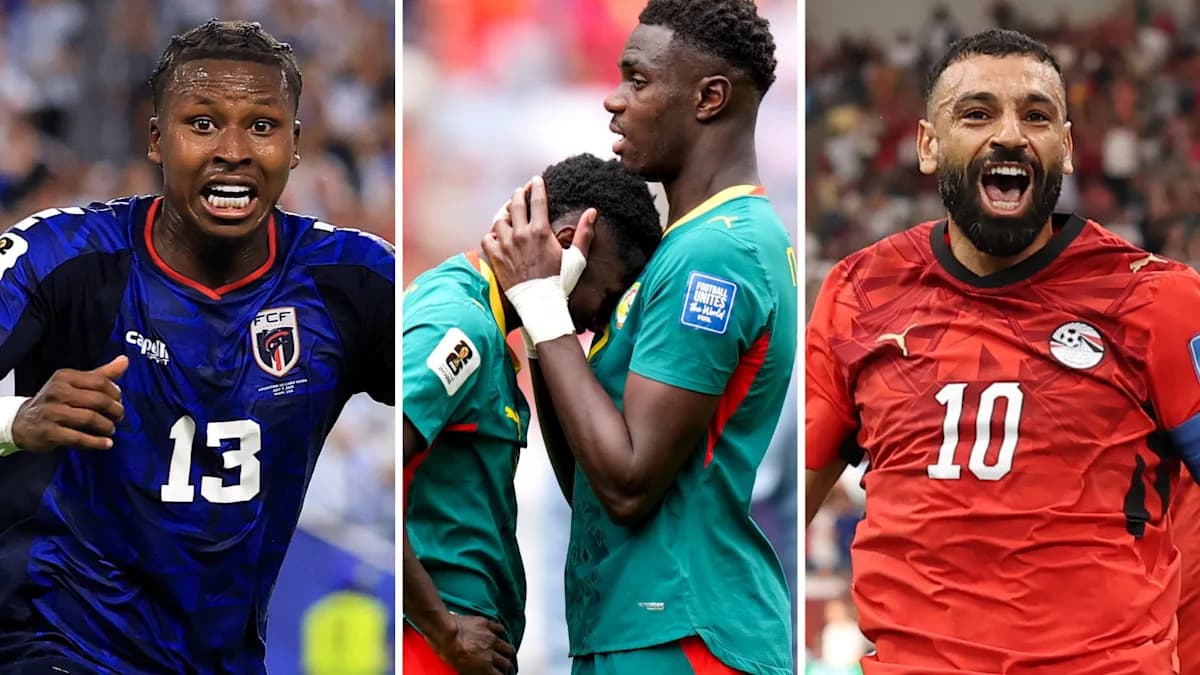
Africa’s 2026 World Cup Journey: Underdogs, Historic Moments, and Painful Late Goals
The 2026 World Cup featured Africa’s biggest-ever group of participants, with 10 teams competing on the global stage. While the continent celebrated several milestones, disappointment came in the form of five teams knocked out by late goals. Among them, the debutants Cape Verde captured attention by reaching the knockout round.
Patrice Motsepe, president of the Confederation of African Football (CAF), praised the teams for making Africa’s 1.6 billion people proud. Yet, only Morocco advanced beyond the round of 16, bowing out in the quarter-finals after conceding crucial late goals—a recurring theme for the continent’s sides.
Debut Success and Historic Wins
For the first time, Egypt and DR Congo secured wins at the finals, while Cape Verde, Ivory Coast, and South Africa progressed past the group stage for the first time in their histories. Looking ahead to 2030, when Morocco will co-host the tournament with Spain and Portugal, these achievements offer lessons on growth and resilience.
Underdogs Captivate the World
Cape Verde became the surprise package of the tournament. Drawing against football giants Spain, Uruguay, and Saudi Arabia helped them reach the round of 32 on their World Cup debut. Their near-upset against defending champions Argentina was a thriller, as they twice came from behind before narrowly losing 3-2 after extra time.
Goalkeeper Vozinha stole the spotlight with a series of remarkable saves, turning into an internet sensation with his Instagram followers surging from 50,000 to over 29 million. His newfound fame even inspired scientists to name a newly discovered sea slug species after him.
"We’ve put ourselves on the map," said defender Roberto Pico Lopes. "We’re a small nation but with big hearts. We showed what is possible—if you believe, you can achieve."
Morocco’s Consistent Rise
Morocco confirmed their status as Africa’s top-ranked side by becoming the first African team to reach consecutive World Cup quarter-finals. Despite not matching their semi-final run from Qatar 2022, where France ended their journey, the team displayed more attacking flair under coach Mohamed Ouahbi.
One standout was 18-year-old midfielder Ayoub Bouaddi, who attracted interest from Europe’s top clubs. Ouahbi reflected on the squad’s youth and talent as the foundation for future success.
"We have a young team eager to grow," Ouahbi said. "The players’ talent will allow us to keep developing."
The Recurring Agony of Late Goals
Late concessions plagued five African teams, undermining promising leads and dreams. Senegal led Belgium 2-0 with just minutes left but succumbed to a 3-2 defeat after Belgium scored the latest winner ever recorded in World Cup history. Egypt saw a two-goal advantage evaporate against Argentina, losing to a header in the 92nd minute.
Other examples include DR Congo and Ivory Coast, who both conceded winning goals in the 86th minute of their knockout matches, while South Africa was eliminated after Canada scored deep into stoppage time.
Some questioned whether African teams struggle to close out games. Psychologist Dr Nikita Rowley suggested fatigue—both mental and physical—plays a role, increasing mistakes as tension rises in critical moments.
"Every team faces lapses late in matches," Dr Rowley explained. "The closer to historic moments, the more demanding it gets psychologically."
A Learning Experience for Many
The tournament’s expansion to 48 teams boosted African representation from five to nine, including DR Congo through playoffs. Most teams advanced beyond the group stage except Tunisia. The hope is that experience gained here will prepare players better for future high-pressure matches.
Mattar M Boge, Gambian coach and Fifa talent scout, noted that many African players lack exposure to intense international games compared to Europeans and South Americans, who benefit from competitions like the Nations League offering promotion and relegation stakes.
"As African football grows, we’ll develop teams accustomed to the responsibility and pressure," Boge said.
Disappointments and Off-Field Challenges
Tunisia endured a rough World Cup, firing coach Sabri Lamouchi after a heavy 5-1 loss to Sweden and failing to recover under replacement Herve Renard. Meanwhile, Ghana reached the knockout stage for the first time since 2010 but managed only four shots on target across four games, exiting without registering a single shot on target in their last match.
Off the pitch, visa restrictions limited access for many African fans. Supporters from Ivory Coast and Senegal faced obstacles obtaining visitor visas, while people from Algeria, Cape Verde, and Tunisia had to make hefty deposits for visas.
Top referee Omar Artan from Somalia was denied entry to the US despite proper documentation, sparking criticism towards Fifa. Although UEFA appointed him for the Super Cup, CAF remained silent on the issue.
Looking Ahead
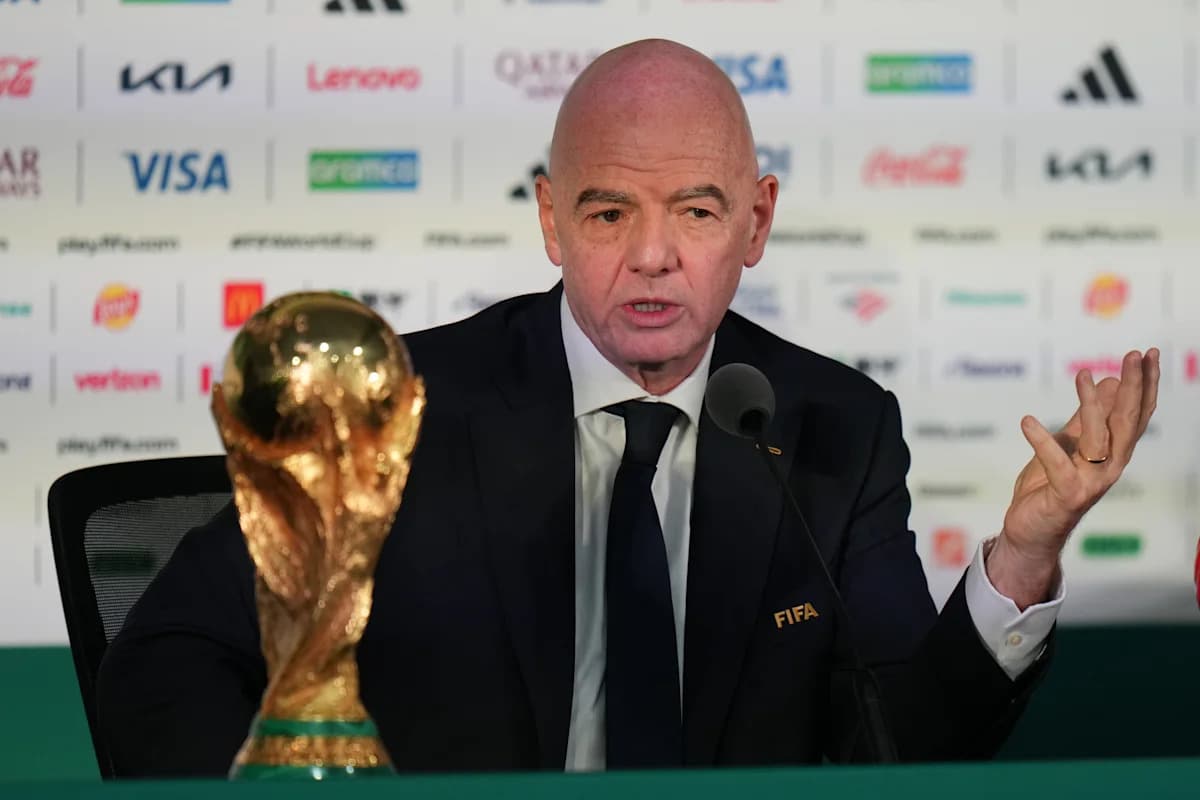
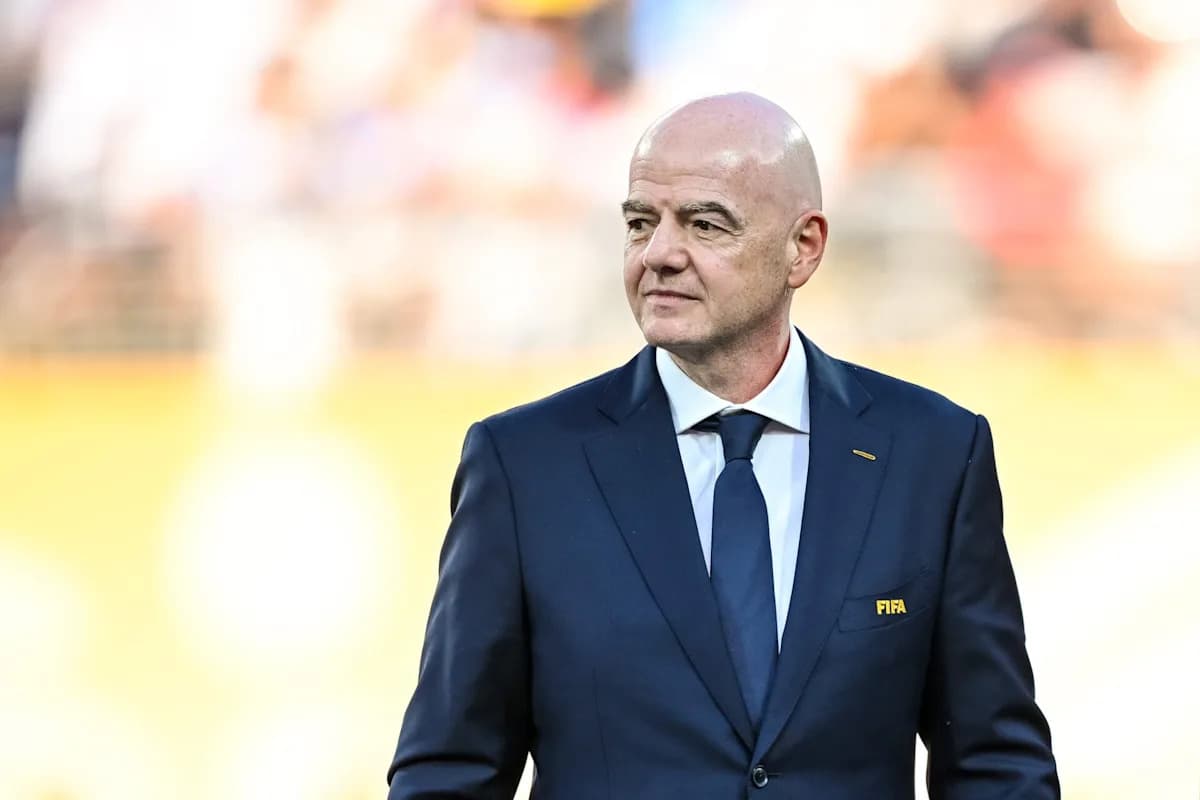
Following a World Cup filled with breakthroughs and heartbreaks, Fifa president Gianni Infantino has hinted at expanding the tournament to 64 teams, potentially increasing African spots further.
Even with many firsts this year, progress for African teams continues at a gradual pace, marked by flashes of brilliance and moments of frustration.