How the 2026 World Cup Captivated America and Surprised the World
The 2026 World Cup became more than just a series of matches in the United States and beyond. It transformed casual viewers into devoted fans, sparked curiosity among skeptics, and deepened the passion of longtime supporters.
Inside the tournament's intense environment, focusing on one team means missing much of the broader excitement. From managing player injuries to memorizing unexpected details like song lyrics, the experience can feel isolated. Yet outside those bubbles, a vibrant festival of soccer unfolded nationwide.
A Mid-Air Celebration
After the U.S. team’s disappointing exit, I found myself on a flight during the thrilling Argentina-England semifinal. Passengers eagerly asked if live TV was available onboard. When it was confirmed, the cabin buzzed with cheers as goals were scored. Even the flight attendant paused mid-announcement to acknowledge the drama of the match, calling it football—a word that felt right in the moment.
This scene wasn’t unique. Airports and city streets overflowed with fans discussing highlights and upcoming matches. Even Uber drivers engaged in passionate debates about the Spain-Argentina final. This tournament reached corners of the country where soccer had not traditionally held sway.
Shaking Off Doubts
Before kickoff, many doubted whether the U.S. could host a World Cup successfully. Concerns ranged from empty stadiums to lack of enthusiasm. These worries proved misplaced. Despite issues like ticket prices, VAR controversies, and frequent commercial interruptions disguised as breaks, the event drew massive crowds and energy.
Attendance was strong, considering the sheer number of matches (104) played across varied conditions and times. The U.S. demonstrated growth in its soccer culture, fueled by increased access to major European leagues and a decade of rising interest. No longer confined to obscure channels or late-night slots, soccer has become a staple in American sports viewing.
Record Viewership and Global Stories
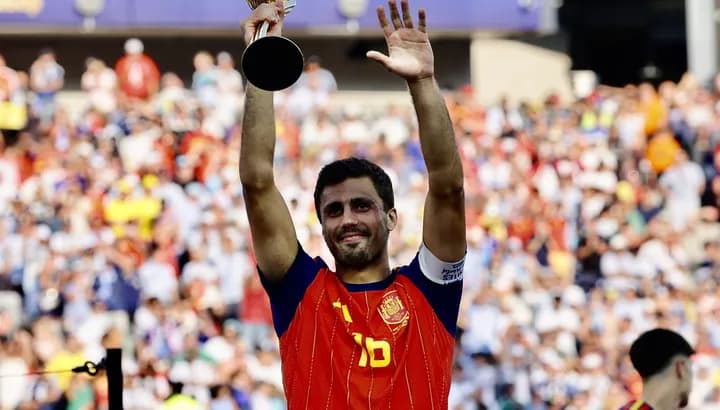
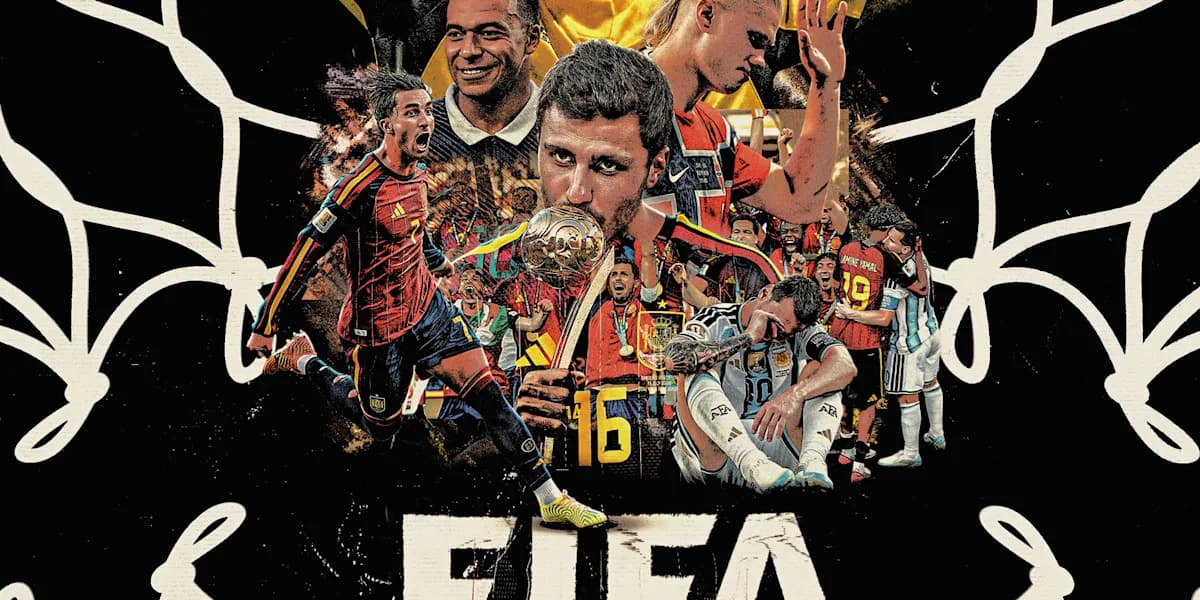
Fox and Telemundo reported huge audiences, with games like U.S. vs. Belgium pulling in 50 million viewers. Only the NFL surpassed these numbers. The World Cup’s appeal was boosted by captivating storylines: Cape Verde made an unforgettable debut, challenging powerhouses; Norway’s fans showed up in force; Argentina’s Lionel Messi continued to defy age; and Spain's Rodri earned the Golden Ball, closing a full circle with his American connection.
Players Who Left Their Mark
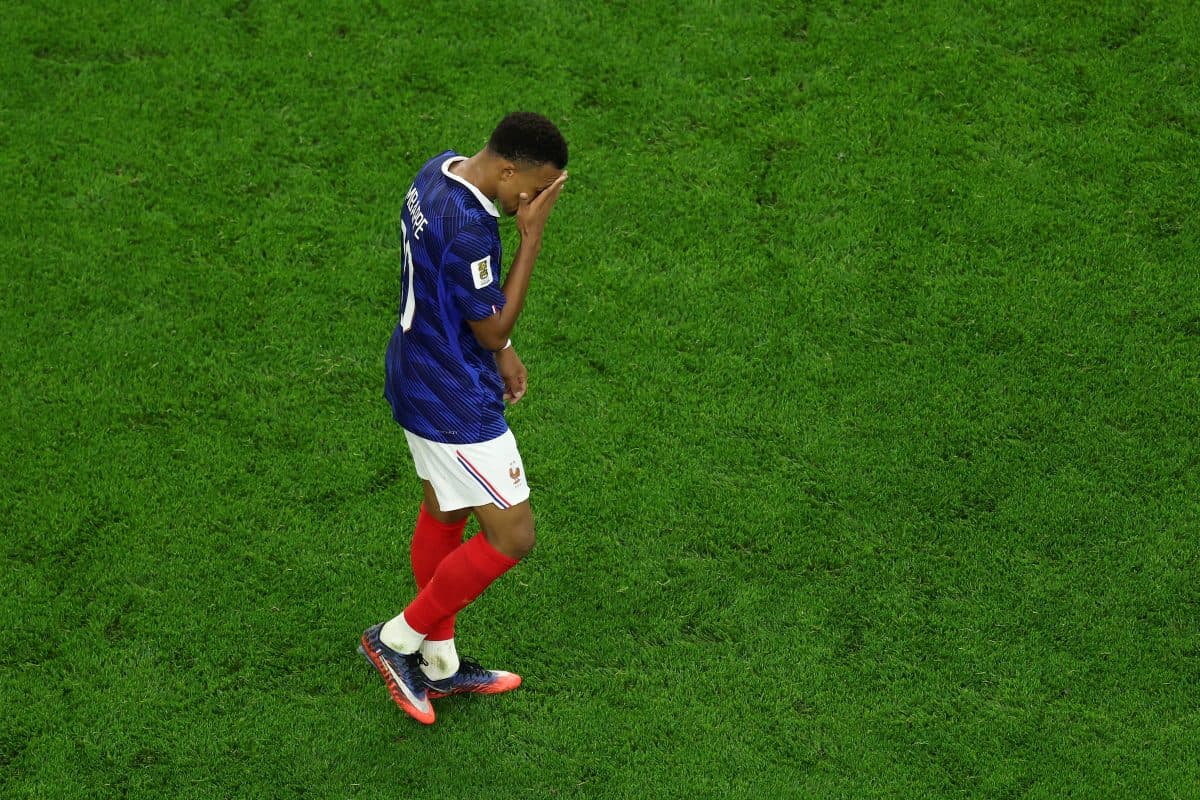
Several stars shone brightly during this World Cup. Kylian Mbappé set records as the tournament’s top scorer. Messi, at 39, displayed skill and determination unmatched by many younger players. Norway’s Erling Haaland and England’s Harry Kane demonstrated lethal goal-scoring prowess, while emerging talents like Jude Bellingham and Michael Olise dazzled as creative playmakers.
American forward Folarin Balogun won respect for his performance and poise despite controversy. The U.S. team inspired hope by winning its first two group matches and showing resilience even in defeat. Meanwhile, other hosts had mixed results: Canada celebrated historic wins, Mexico thrilled fans at Estadio Azteca before exiting against England in a memorable contest.
Unexpected Upsets and Regional Successes
Some traditional giants faltered early. Brazil and Germany, with their combined history of championships, exited prematurely. Uruguay and South Korea struggled, and Asia’s overall presence was underwhelming. Morocco repeated their impressive run from 2022, knocking out the Netherlands and Canada before losing to France in the quarterfinals. African nations collectively performed well, adding fresh excitement.
Spain’s Team Triumph
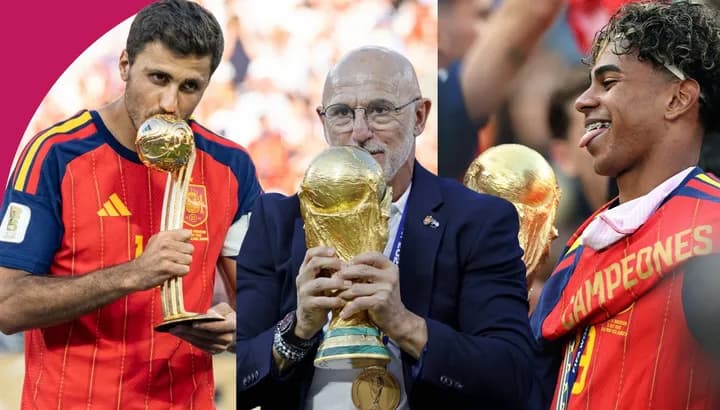
Spain emerged as the champions, demonstrating control through possession and pressure rather than relying on individual superstars. Their victory was a testament to teamwork and discipline, earning respect worldwide. Although the final lacked flair and could have ended sooner, it was a celebration of a dominant and organized squad.
After 39 intense days, the tournament was a win not only for Spain but also for soccer itself. The sport’s popularity in the U.S. reached new heights, dispelling doubts and leaving fans eager for what’s next.