Vancouver FC vs Supra du Quebec: Rivalry Begins with 1–1 Draw
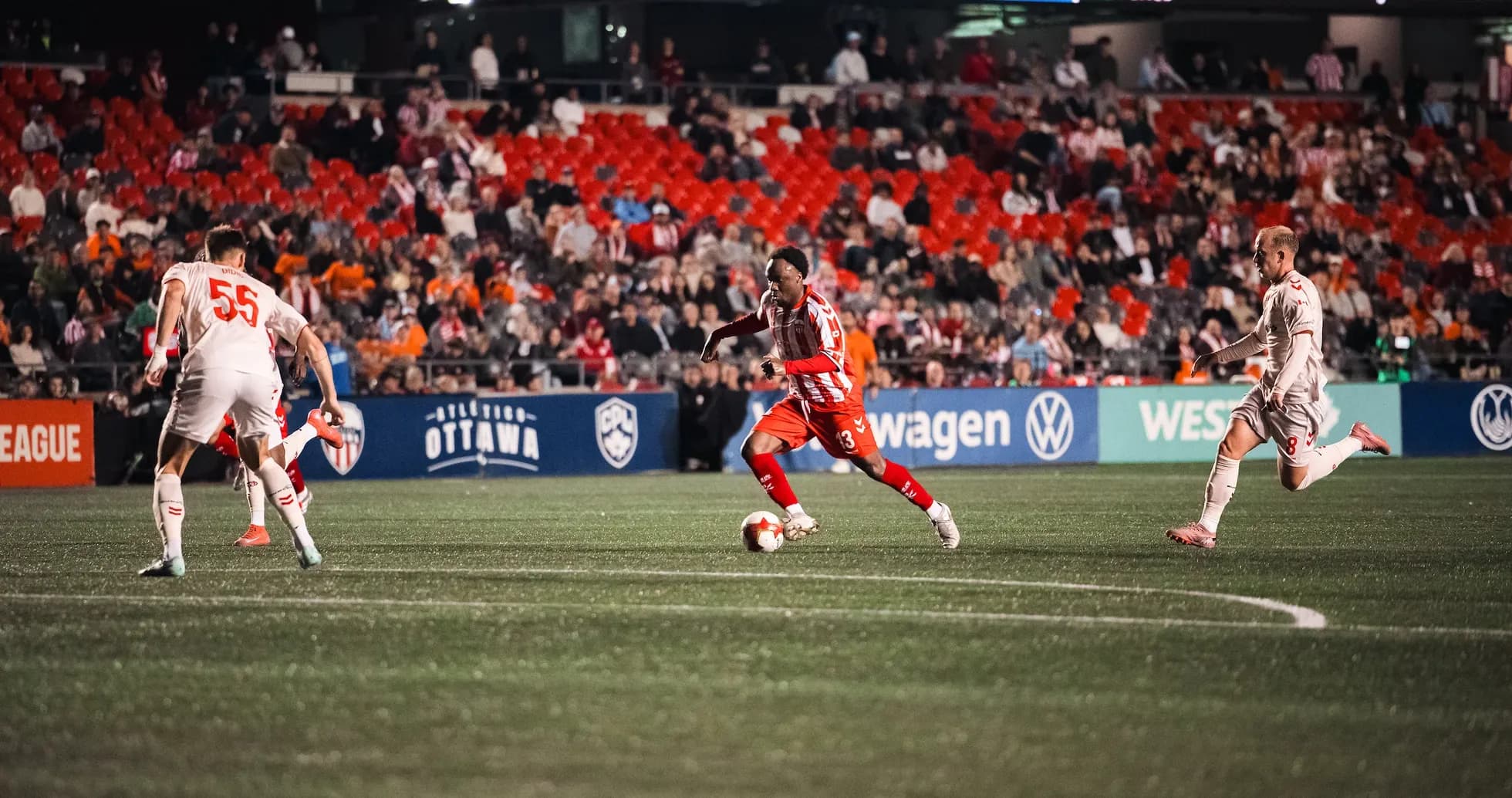
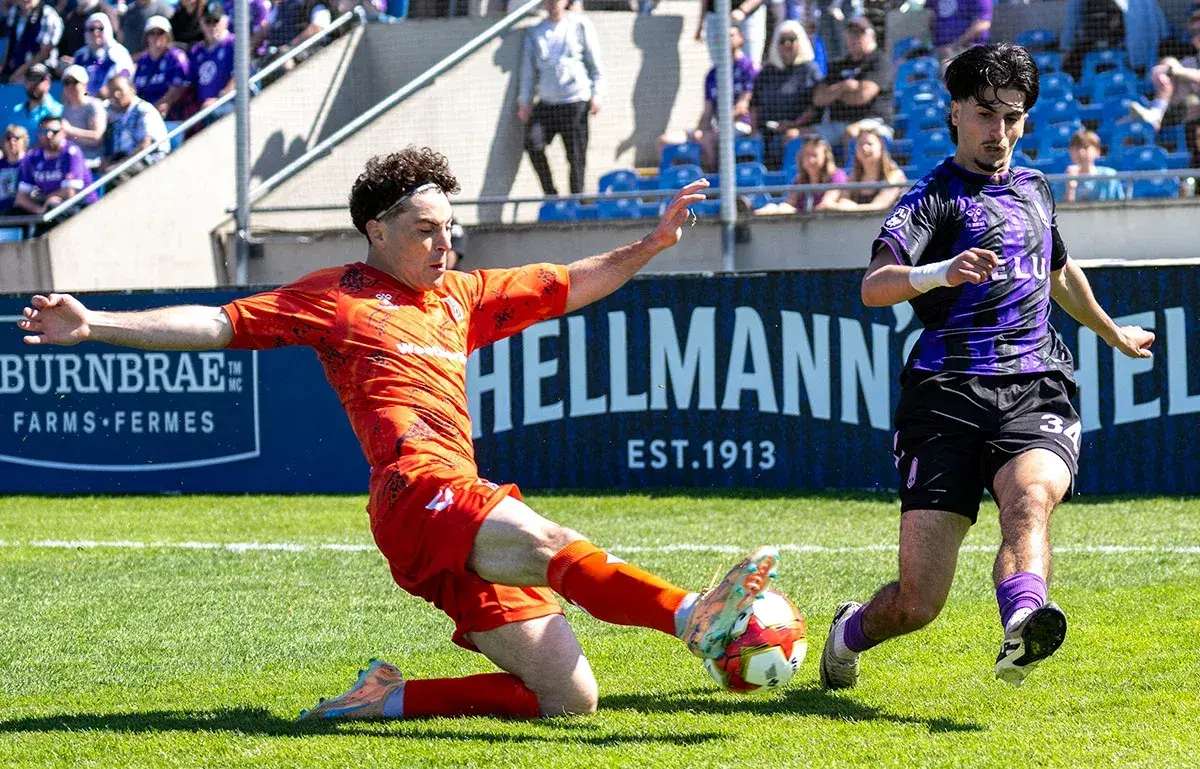
Under the lights at Willoughby Community Park Stadium, Vancouver FC and Supra du Quebec played out a 1–1 draw that felt less like a settled argument and more like the opening chapter of a rivalry. In the Canadian Premier League’s group stage, the point keeps Supra in 5th on 7 points with a goal difference of -1 (6 scored, 7 conceded), while Vancouver remain 7th on 5 points and a goal difference of -3 (5 scored, 8 conceded). Following this result, both sides walk away knowing exactly where their tactical edges – and flaws – lie.
I. The Big Picture – Two Identities Colliding
Vancouver’s season-long profile is stark: at home they have played 4, taken 0 wins, 1 draw and 3 defeats, scoring just 1 goal and conceding 5. That translates to 0.3 goals for and 1.3 against per home match. On their travels they are a very different side, averaging 1.3 goals for and 1.0 against. Supra mirror that split in reverse: on their travels they have 1 win, 1 draw and 1 loss from 3, scoring 4 and conceding 4, an away average of 1.3 goals for and 1.3 against.
This match, ending 1–1, sat almost perfectly on those season-long trendlines. Vancouver still struggled to turn territory into volume at home, while Supra again showed they can score and concede in equal measure on their travels. Neither side has yet kept a clean sheet this campaign – 0 in total for both – and the open, stretched feel of the contest reflected that.
II. Tactical Voids and Discipline – Where Edges Were Lost
There were no listed absentees, so both coaches had close to full decks. Martin Nash leaned into continuity, starting key figures like goalkeeper C. Irving, full-backs M. Doner and Thomas Geoffrey Field, and his central screen of I. Ssewankambo and M. Polisi. Further forward, E. Bah, E. Fotsing, M. Amissi and T. Campbell were asked to stitch together what has been a blunt home attack.
Supra, by contrast, brought a spine built on ball-playing defenders and dynamic wide threats: C. Auguste and M. Chretien at the back, D. Abzi as an aggressive outlet, and a midfield axis of S. Mlah and O. Boughanmi supporting creator S. Rea and forward L. A. Kwemi.
Discipline was always going to be a quiet sub-plot. Heading into this game, Vancouver’s yellow-card pattern showed a late-game surge: 26.67% of their cautions arriving between 76–90 minutes, with another 13.33% from 91–105. Supra’s distribution was more evenly spread but with clear spikes – 25.00% of their yellows in each of the 31–45, 46–60 and 76–90 minute windows. The match duly tilted into a tense, attritional rhythm as legs tired, and you could feel both benches wary of that familiar late spiral.
Individually, the disciplinary shadows were clear. For Vancouver, M. Polisi came in as the league’s leading yellow-card collector with 4 bookings but no reds this season, while Field and Amissi had 2 yellows each. For Supra, Abzi and Chretien both carried 3 and 2 yellows respectively in league play, while Alessandro Biello – not in this matchday squad – already had a red to his name this season. The absence of any penalties in the league data (0 taken, 0 missed for both sides) meant there was no get-out-of-jail card waiting from the spot; every chance had to be built in open play.
III. Key Matchups – Hunter vs Shield, Engine Room vs Enforcer
The “Hunter vs Shield” duel for Vancouver revolved around M. Amissi. As Vancouver’s top scorer with 1 goal from 7 appearances, his output has been modest, but his underlying profile is more dangerous: 5 shots, 4 on target, 8 dribbles attempted with 4 successful, and 3 key passes from 42 total passes at 80% accuracy. He is both finisher and secondary creator.
Against Supra’s defence, the most imposing figure was M. Chretien. The centre-back’s season numbers are exceptional: 1 goal, 4 successful blocks, 4 tackles, 1 interception, and 108 passes at 91% accuracy. He has won 10 of 13 duels and even committed 1 penalty in league play, underlining how often he defends on the edge. In this match, his reading of Amissi’s movements – stepping out aggressively to intercept, then resetting the line – was central to limiting Vancouver’s attempts to flood the box.
Out wide, the duel between Doner and Abzi shaped the tempo of entire phases. Doner, one of the league’s top assist providers with 1 assist and 8 key passes from 126 total passes at 87% accuracy, is Vancouver’s main progression outlet. His 8 dribbles (5 successful) and 22 duels won from 34 show a full-back who advances play as much as he protects his flank. Abzi, meanwhile, combines 96 passes at 89% accuracy with 5 tackles and 17 duels (11 won), and 3 yellows in league play hint at how aggressively he steps in. Their corridor became a tug-of-war between overlap and counter, between measured build-up and vertical thrust.
In the “Engine Room” battle, Vancouver’s enforcer was again Polisi. His 146 passes at 86% accuracy, 7 tackles and 1 blocked shot – that block is a successful defensive action – define him as the metronome and shield in front of the back line. On the other side, Supra’s creative heartbeat was S. Rea, a top-assist contributor with 1 assist and 5 key passes from 70 passes at 84% accuracy. Rea’s tendency to drift between lines forced Polisi to constantly choose between protecting his centre-backs and stepping out to shut down the pass before it reached Kwemi.
Behind Rea, S. Mlah added verticality. With 1 goal from just 1 shot on target, 41 passes at 90% accuracy and 3 interceptions, he knits together transitions, and his 2 yellows this season underline his willingness to foul to stop counters. Together, Rea and Mlah tried to drag Vancouver’s midfield out of its compact shell, and in spells they succeeded.
IV. Statistical Prognosis – What This Draw Tells Us
Following this result, the numbers still paint Vancouver as a side more comfortable on their travels, and Supra as a team whose away games tend to land near 1–1 or 2–1 territory. Overall, Vancouver average 0.7 goals for and 1.1 against per match; Supra sit at 1.0 for and 1.2 against. Both have failed to score in more than a third of their outings (Vancouver in 4 of 7, Supra in 3 of 6), and both have yet to record a clean sheet.
If we map that to an Expected Goals narrative, Vancouver’s low home output suggests their xG at Willoughby Community Park Stadium is likely modest, dragged down by a lack of high-quality chances. Supra’s balanced away scoring and conceding points to a team that creates but also allows opportunities in similar volume. In other words: neither side is controlling shot quality consistently; instead, they are living in the margins of individual execution.
The draw, then, feels like a fair statistical midpoint. Vancouver’s defensive structure, anchored by Polisi, Field and Campagna, is just solid enough to keep them in games, but their attack still leans heavily on the sparks of Amissi and the delivery of Doner. Supra, for their part, look like a side with a strong spine in Chretien, an adventurous left side in Abzi and Mlah, and a genuine creative hub in Rea – but they remain vulnerable to sustained pressure and late-game disciplinary lapses, especially in those 31–45 and 76–90 minute windows where their yellow cards spike at 25.00%.
From here, the tactical prognosis is clear. Vancouver must find a way to translate Doner’s supply and Amissi’s dual-threat profile into more than 0.3 goals per home game, while tightening their late-game discipline. Supra need to convert their balanced away numbers into something more ruthless, turning 1–1s into 2–1s without sacrificing the control that Chretien and Mlah offer.
On a cool night in Langley, a 1–1 scoreline didn’t separate them. But in the data, in the duels and in the patterns of where and how they attack and suffer, the paths of Vancouver FC and Supra du Quebec are beginning to diverge – one searching for home identity, the other for away authority.