Tottenham's Injury Crisis: Is the Pitch to Blame?
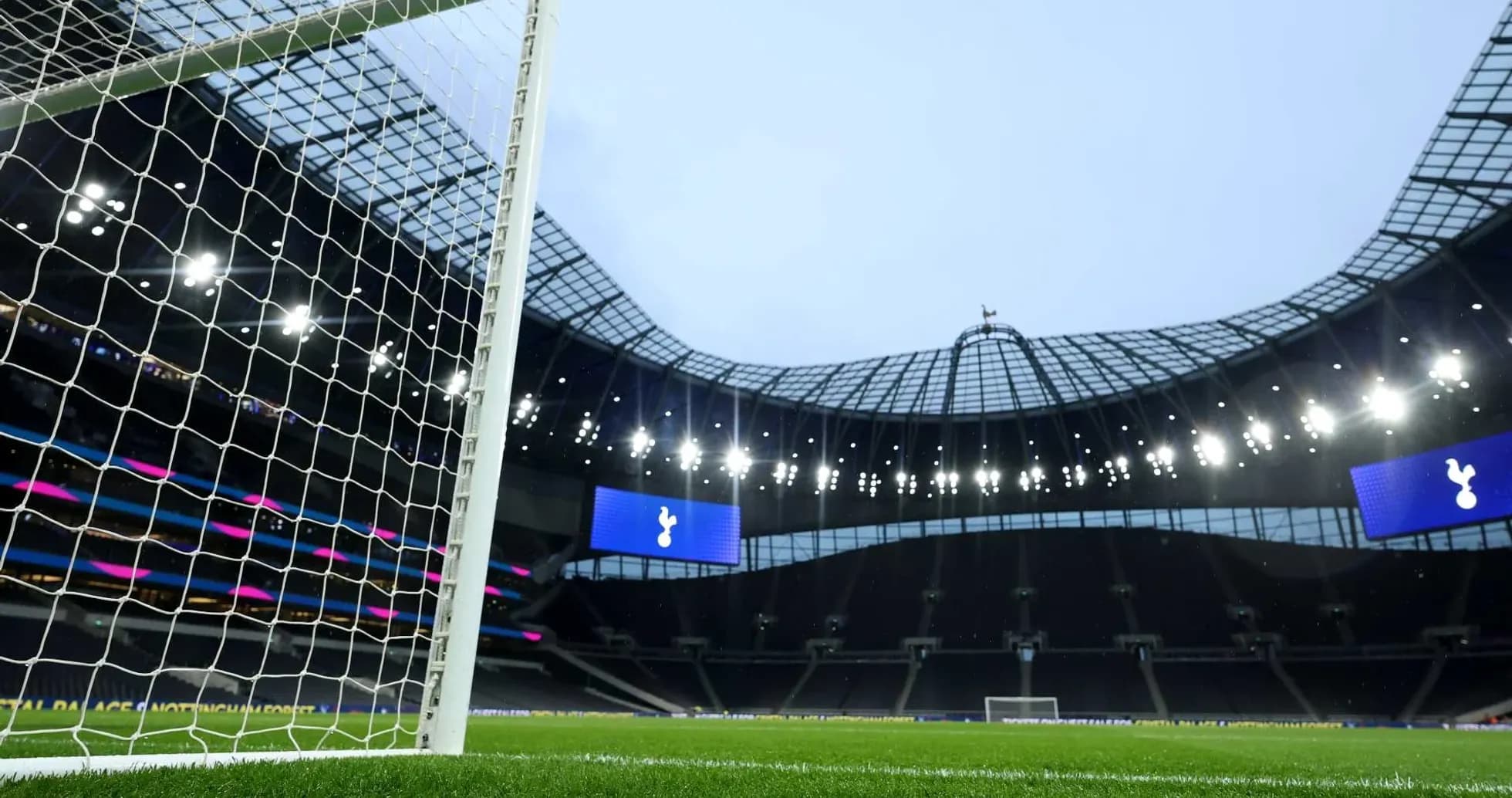
The Tottenham Hotspur Stadium was built as a symbol of modern football: glass, steel and a party trick under the grass. The retractable surface, sliding away to reveal an NFL-ready synthetic field, has been sold as an engineering marvel and a commercial dream.
Now the club is asking a far more awkward question: is this pitch helping to break their players?
High-tech turf under the microscope
According to Sky Sports, new performance director Dan Lewindon has launched a deep review into why serious leg and ligament injuries keep piling up in N17 – and whether the much-celebrated surface is part of the problem.
Independent testing has already been carried out on the bounce and surface tension of the pitch. Nothing definitive. No smoking gun. The data so far is inconclusive, so Spurs are widening the scope, comparing their numbers and conditions against other Premier League grounds to see if anything stands out.
The concern is not theoretical. It is personal, and it is piling up.
Dejan Kulusevski, Radu Dragusin, Wilson Odobert – all hit with significant injuries at home. James Maddison suffered a partial ACL tear in a home clash against Bodo/Glimt, then later ruptured it completely. When those names and those body parts keep recurring in the same postcode, people start looking under every stone, even the £1 billion one with a sliding pitch.
They are not alone. Real Madrid, who also installed a retractable surface at the revamped Santiago Bernabeu, are conducting their own investigation after a run of ACL injuries. Two of Europe’s flagship stadium projects, both facing the same uncomfortable glare.
A performance department under strain
Lewindon’s work has not stopped at the grass. His three‑month review has reportedly exposed deeper structural issues inside the club’s performance operation.
The picture is of a department that has become fragmented. Medical staff on one side, coaches on another, decisions not always shared, information not always flowing. The result, in the eyes of some at the top of the club, has been a cycle of reoccurring injuries and players breaking down again when they return.
Spurs want to tear that up.
The plan on the table is a “small-team approach”: specific physios assigned to tight groups of around six players. Less conveyor belt, more bespoke care. The idea is that with smaller clusters, staff can tailor training loads, conditioning and rehab to individual bodies rather than broad categories on a spreadsheet.
If Tottenham have looked like a club constantly patching up and sending players back into the firing line, this is an attempt to slow everything down and raise the quality of preparation.
Four managers, four methods, one battered squad
Then there is the dugout. It has barely stopped spinning.
Ange Postecoglou, Thomas Frank, Igor Tudor, Roberto De Zerbi – four head coaches in a single year, each with their own ideas, their own tempo, their own demands. For players, that is not just a change of voice in the dressing room; it is a change in how they run, how often they sprint, how high they press, how they train Monday to Friday.
Those swings in intensity and style are being viewed as a key factor in the injury crisis. One regime asks for relentless pressing, the next wants compact mid-blocks, another ramps up double sessions. Bodies adapt, then are asked to adapt again, and again.
Spurs believe that lack of continuity has increased the physical risk. The squad has been forced to lurch from one training philosophy to another, and some players have simply not kept pace with the shifts.
The Xavi Simons flashpoint
The club’s medical staff have also found themselves in the crosshairs, most notably over the handling of Xavi Simons’ season-ending injury at Wolves.
During that win at Molineux, Simons went down, received ice spray, and was allowed to continue. Minutes later he left on a stretcher with a ruptured ACL. The optics were brutal. The reaction from fans was even harsher.
Inside the club, though, there is no appetite to throw the medics under the bus. Tottenham insist the decision was sound. Lewindon is understood to have been very satisfied with how the team managed the incident.
The context matters. Simons wanted to carry on. A full ACL test is notoriously difficult to perform at pitchside in the chaos of a live Premier League match. Within that reality, Spurs maintain that giving him the chance to try to continue was the correct call.
Crucially, the club is adamant that his brief return did not cause any further damage. The ligament had gone; the outcome was already written.
That did not soften the blow of what followed. Simons’ nightmare debut spell became symbolic of a wider crisis as Cristian Romero and Destiny Udogie also suffered serious injuries within De Zerbi’s first three games in charge.
The Italian has not stayed quiet. He is pushing for a stronger support structure around the squad, including the appointment of a team psychologist to improve communication and cohesion between performance staff, medical teams and players. In a season that has often felt chaotic, he wants clearer lines and calmer minds.
Maddison’s verdict: bad luck, but not just that
James Maddison has lived this season on the treatment table and the pitch, and he has not sugar-coated the situation.
"Our situation with the injuries has been worse than any other club," he said. "People try and say, 'Oh, but we've got this and that'. But ours is astronomical, and we need to look at why that is."
He is not buying every theory that has been thrown around. Some incidents, he insists, are just football.
"Sometimes it can just be unlucky, sometimes it can be a coincidence, like me doing my ACL or [Dejan] Kulusevski getting a horrendous knock off [Marc] Guehi. That's not the medical team, that's not the pitch or all the theories that you see, sometimes that's rubbish."
Still, the numbers have weighed heavily on him. Maddison is convinced the injury pile-up dragged Spurs into a relegation fight they should never have been near.
"We've been a bit unlucky," he added. "But like I said, the big names that we've missed, it does affect you and you can't just deny that. Myself, Kulusevski and [Mohammed] Kudus, and [Rodrigo] Bentancur missed three months and whatnot. If you had had them for the whole season, we wouldn't have been in this situation, I strongly believe. That's just not me being naive, that's just a fact. But it is the situation we find ourselves in, and I am just proud of the lads to dig deep today."
That is the tension at the heart of Tottenham’s season: how much of this is cruel luck, and how much is preventable?
Lewindon’s review, the scrutiny of the pitch, the overhaul of the performance structure, De Zerbi’s demands for psychological support – all of it points to a club trying to make sure that next year, they are not asking the same question with the same broken players.