New England II Defeats Orlando City II 1–0: A Tactical Analysis
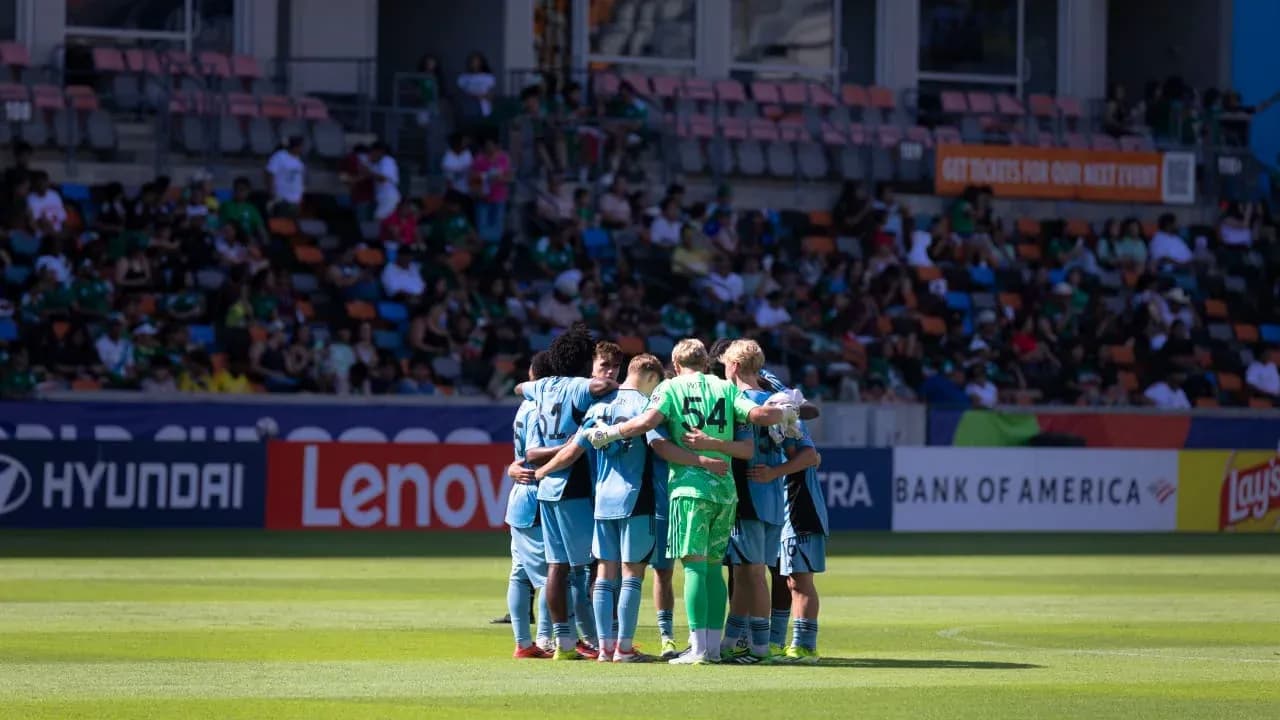
Gillette Stadium emptied slowly into the New England evening, the scoreboard locked on a narrow but telling verdict: New England II 1–0 Orlando City II. Following this result, the story of two very different MLS Next Pro identities felt a little clearer.
I. The Big Picture – A Meeting of Contrasts
This was Group Stage football in MLS Next Pro, but with the edge of a future play-off rehearsal. New England II came in as one of the Eastern Conference’s form sides, ranked 3rd in the conference table with 20 points from 10 matches and a goal difference of 4, built on a total of 12 goals for and 8 against. At home, they had been ruthless: 7 fixtures played, 6 wins, 0 draws, 1 loss, with 10 goals for and 6 against.
Orlando City II arrived as something of a paradox. In the Eastern Conference they sat 8th with 16 points from 10 games, and a negative goal difference of -1, their 19 goals for and 20 against overall telling of a side that lives on the edge. On their travels, though, they had been brave and effective: 5 away matches, 3 wins, 0 draws, 2 defeats, scoring 8 and conceding 8.
The 1–0 scoreline in Foxborough felt like a meeting point between New England II’s home control and Orlando City II’s high-variance chaos, with the hosts bending the contest toward their preferred tempo.
II. Tactical Voids and Discipline – Managing the Edges
There were no formal absentees listed, so both coaches had the luxury of full squads, but their selection choices still revealed priorities.
New England II’s starting XI, led by the spine of D. Parisian, G. Dahlin, and the creative presence of M. Morgan and S. Sasaki, looked built for compact control rather than expansive risk. The bench options of J. Da, C. Zambrano, and J. Siqueira hinted at the ability to inject pace and directness if the game state demanded it, but the match ultimately rewarded their more measured approach.
Orlando City II, meanwhile, leaned into technical profiles and mobility. The likes of B. Rhein and D. Judelson in midfield, supported by I. Haruna and I. Gomez, gave them a platform to play in transition and to attack space quickly. Pedro Leao at the top of the structure offered a focal point, while the bench options such as J. Hylton, C. Trombino, and J. Rojas provided attacking reinforcements that could have turned a tight game.
Across the season, discipline has been a delicate balance for both sides. Heading into this game, New England II’s yellow card distribution showed a clear pattern: a pronounced surge between 46–60 minutes, where 28.00% of their cautions were collected, and another spike late between 76–90 minutes with 24.00%. Orlando City II, by contrast, often burned hot early: 25.00% of their yellows arrived in the 16–30 window, and another 25.00% between 31–45, a sign of a team that tackles aggressively to disrupt rhythm in the first half.
In a match that finished 1–0 and never tipped into chaos, New England II’s ability to avoid red cards all season and manage those risky middle and late phases was crucial. Orlando City II’s tendency toward early fouls did not translate into a pressing advantage here; instead, it fed New England II’s preference for a structured, stop-start tempo.
III. Key Matchups – Hunter vs Shield, Engine Room vs Engine Room
The “Hunter vs Shield” narrative here was less about one star forward and more about collective profiles. Orlando City II arrived as one of the division’s most explosive attacks: overall, they had scored 22 goals in total this campaign, with a home average of 2.6 and an away average of 1.8. New England II, by contrast, had built their season on defensive control at home, conceding only 6 goals in 7 home matches with a home goals-against average of 0.9.
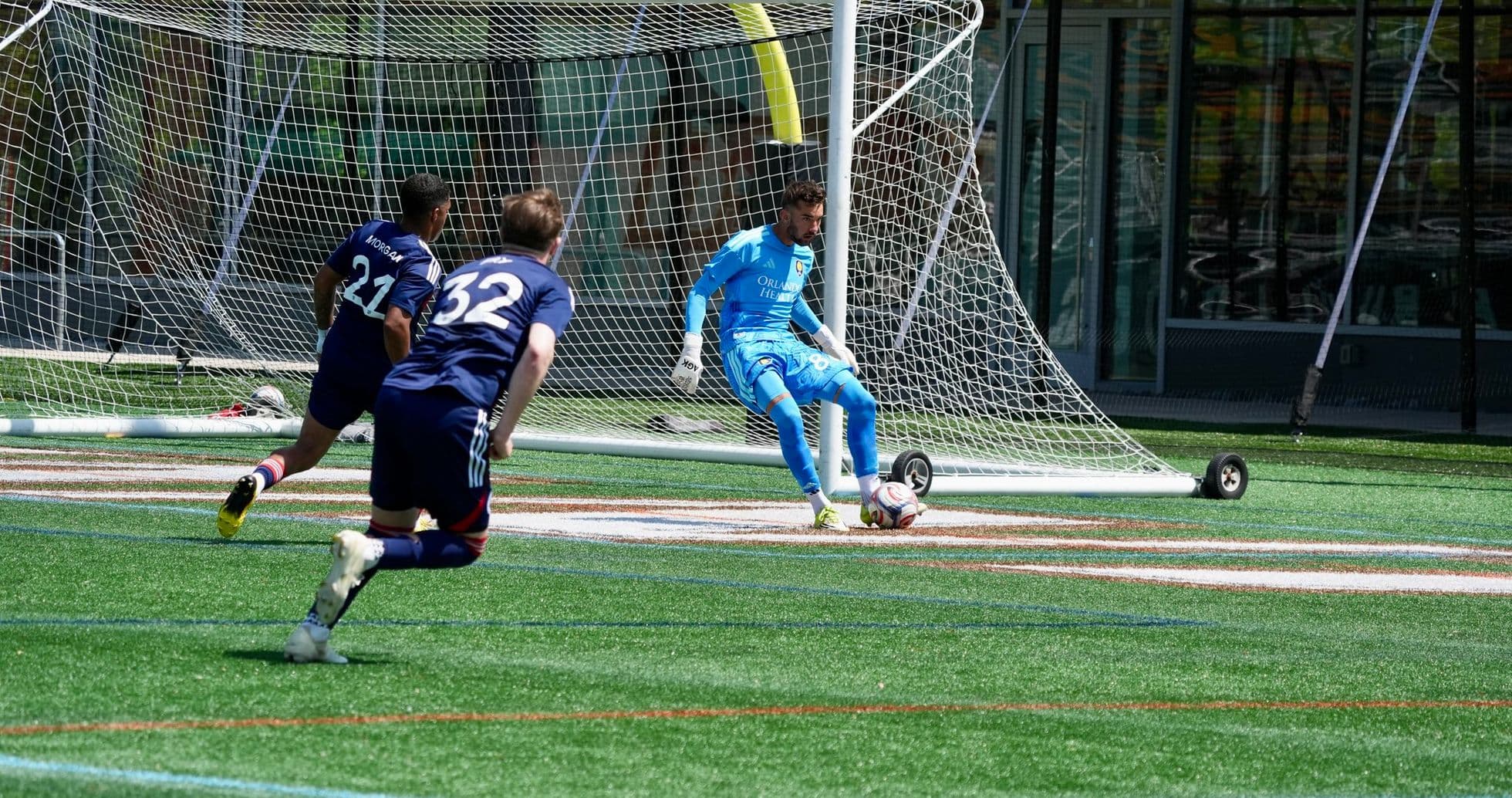
That clash played out precisely to script. Orlando City II’s forward line, led by Pedro Leao and supported by the fluid movement of I. Gomez and M. Belgodere, sought quick combinations and vertical passes. But New England II’s back line, marshalled by the likes of J. Shannon and S. Mimy, stayed narrow and compact, forcing Orlando’s attacks wide and limiting clean looks on goal. The end result: another clean sheet added to New England II’s tally, bringing them to 4 in total this campaign.
In the engine room, the duel was equally decisive. New England II’s midfield cluster of G. Dahlin, C. Oliveira, and A. Oyirwoth focused on closing central lanes and recycling possession, allowing M. Morgan and S. Sasaki to find spaces between Orlando’s lines. Orlando City II’s midfield trio of B. Rhein, D. Judelson, and J. Ramirez tried to tilt the game into transition battles, but New England II’s structure repeatedly slowed them down, turning potential counters into static possession.
The benches told another tactical story. With players like J. Da and C. Zambrano available, New England II had the option to add fresh legs and direct running once they had the lead. Orlando City II’s attacking substitutes – J. Hylton, C. Trombino, and J. Rojas – represented a late push for an equaliser, but against a home side that had failed to score in only 1 match in total this campaign, the visitors could not afford to chase the game for long stretches. Once New England II went ahead, the contest bent firmly in their favour.
IV. Statistical Prognosis – What the Numbers Say Going Forward
Following this result, the underlying profiles of both teams feel reinforced. New England II remain a home fortress: 7 home fixtures played, 6 wins, only 1 defeat, with a total of 12 goals for at home and away combined, and just 9 against overall. Their total goals-for average of 1.4 and total goals-against average of 0.9 reflect a side that does not overwhelm opponents but strangles games into their preferred rhythm. Their perfect penalty record – 2 penalties taken in total, 2 scored, 0 missed – underlines their composure in high-leverage moments.
Orlando City II, on the other hand, continue to embody volatility. Overall, they have scored 22 goals and conceded 21, with a total scoring average of 2.2 and a total concessions average of 2.1. On their travels, they still average 1.8 goals for and 1.6 against, numbers that usually promise drama. Yet against a disciplined, home-strong opponent like New England II, that volatility was contained rather than unleashed.
From a tactical forecasting standpoint, New England II look built for knockout football. Their combination of home solidity, low concessions, and the capacity to manage card-heavy phases (especially that 46–60 and 76–90 window) suggests they can navigate tight, high-stakes matches. Orlando City II, with their attacking firepower and defensive openness, remain a side no one will enjoy facing over a single leg – but this defeat is a reminder that against compact, organised blocks, they will need more patience and variation than pure chaos.
In the quiet after the final whistle, the narrative was simple: New England II’s structure beat Orlando City II’s volatility. As both teams edge toward the play-off picture, that may prove to be the more sustainable identity.