Columbus Crew II Edges Philadelphia Union II in Tense MLS Next Pro Shootout
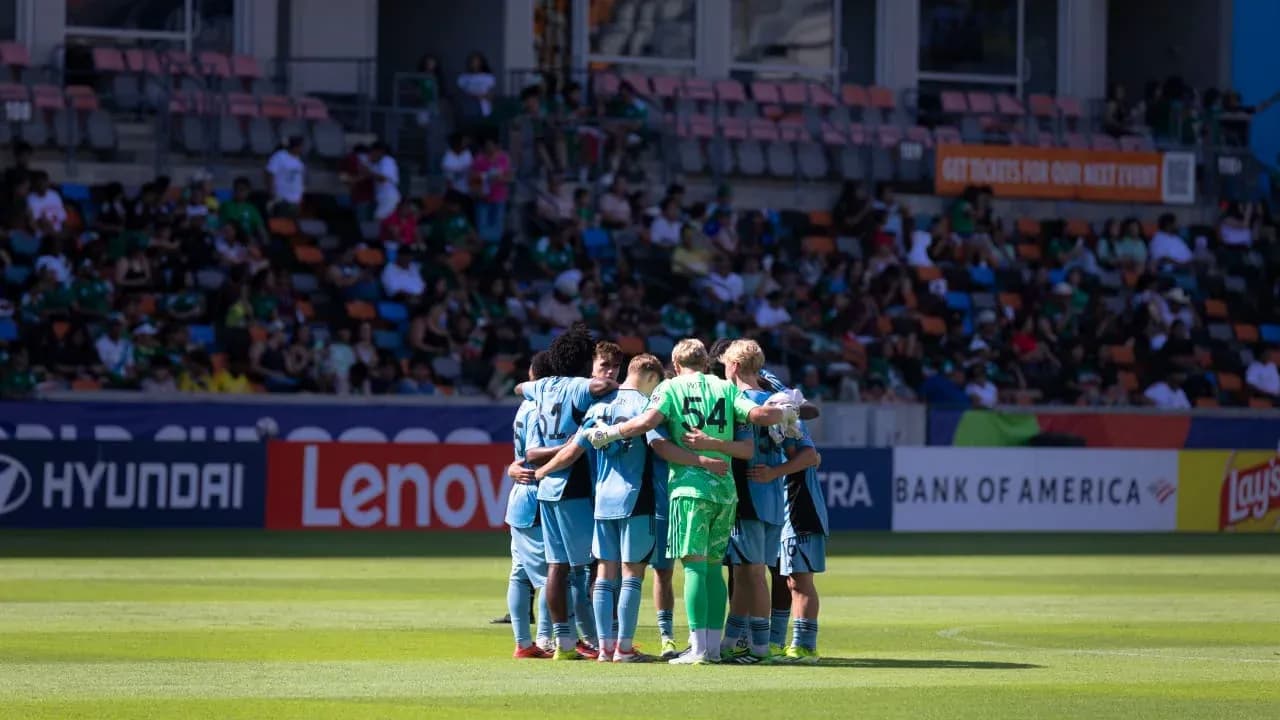
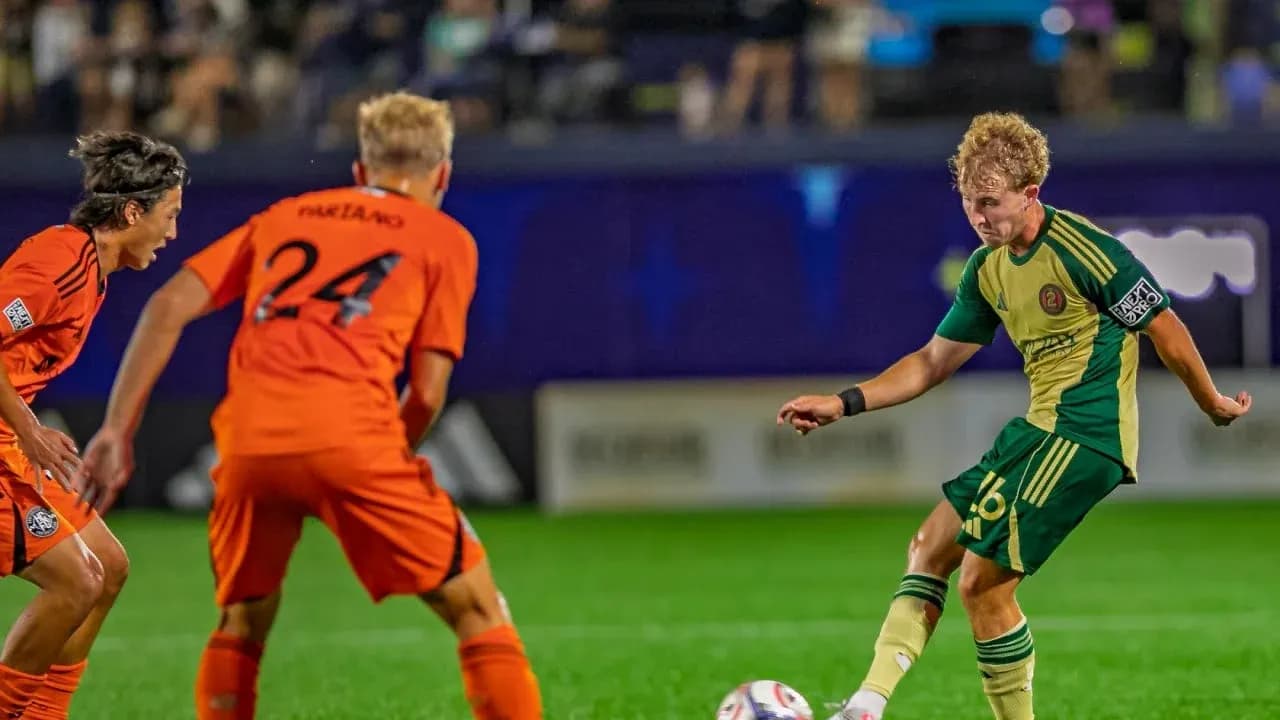
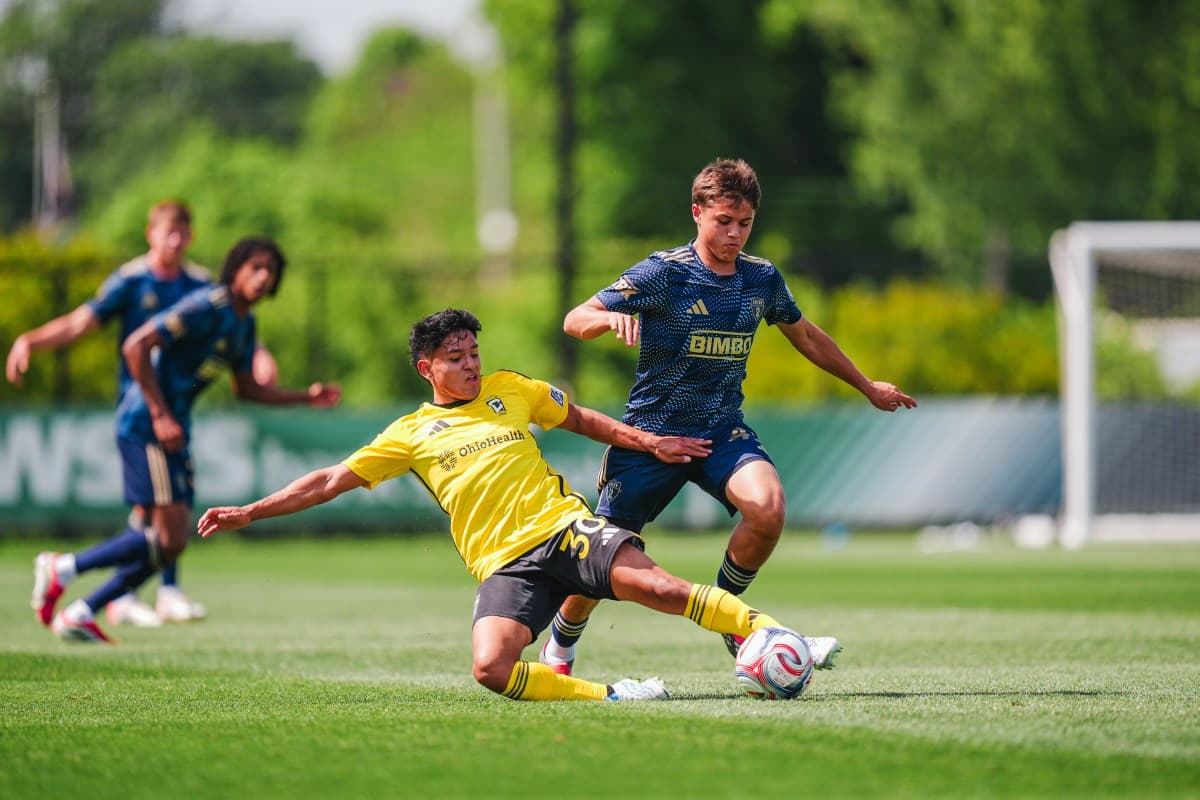
Subaru Park staged a tense MLS Next Pro group-stage drama as Philadelphia Union II and Columbus Crew II went the distance, 120 minutes and then penalties, before the visitors edged it 8–7 in the shootout after a 1–1 draw. Following this result, it felt less like an early-season fixture and more like a playoff rehearsal: two sides with contrasting seasonal identities, locked in a tactical arm wrestle.
For Philadelphia Union II, this was a snapshot of their volatile campaign. Overall they have played 10 league matches, winning 5 and losing 5, with 12 goals for and 10 against in the standings snapshot, and 13 scored and 11 conceded in the broader statistics feed. Either way, the DNA is similar: they live on the edge of one-goal margins, with a goal difference hovering just above parity. At home they have been inconsistent, with 7 matches yielding 3 wins and 4 defeats, 9 goals for and 7 against. Columbus Crew II arrived with a different profile: 11 matches overall, 7 wins and 4 losses, 18 goals scored and 18 conceded, a perfectly balanced goal difference but a decidedly unbalanced split between fortress and fragility. At home they are flawless, 5 wins from 5 with 10 goals for and only 4 against; on their travels, they have played 6, winning 2 and losing 4, scoring 8 but conceding 14.
Lineups
Within that frame, the lineups told their own story. Ryan Richter’s Union II side was built around a young, flexible core. A. Rick anchored the XI, with G. Sequera, F. Sundstrom and R. Uzcategui forming part of a back line that had to be brave rather than conservative, given the attacking threat of Columbus. J. Griffin and K. LeBlanc were central to the home side’s capacity to transition; both needed to shuttle, screen and break lines. Ahead of them, O. Benitez, M. De Paula and N. Hasan were tasked with providing the creative sparks, while S. Korzeniowski and M. Jakupovic offered movement and finishing threat.
On the bench, Richter had options that hinted at different game states. P. Holbrook and T. Gladstone offered goalkeeping and defensive cover, while A. Craig and L. Harrington could stiffen the back line or shift the shape into a back three. O. Pratt and J. Ruf represented fresh legs between the lines, and the likes of M. Berthe and A. Diop were late-game disruptors, ideal for a match that might stretch into extra time—as it ultimately did.
Federico Higuain’s Columbus Crew II arrived with a more defined winning habit, but also with the baggage of a leaky away defence. L. Pruter in goal fronted a back unit including B. Adu-Gyamfi, Q. Elliot, R. Aoki and I. Heffess, a group that has been part of an away record featuring 14 goals conceded in 6 matches. The midfield of T. Brown, K. Gbamble and N. Rincon had to balance Higuain’s natural attacking bias with the need to protect that vulnerable away back line. In the advanced band, J. Chirinos, Z. Zengue and C. Adams offered pace and verticality, crucial to exploiting any Union II overcommitment.
Columbus’ bench underlined their depth. S. Lapkes and G. De Libera were defensive and structural options, while I. Ewing and T. Karumanchi could tilt the midfield battle with fresh legs and control. M. Nyeman, P. Forfor, G. Di Noto, Z. Lloyd and J. Danjaji formed an attacking carousel, allowing Higuain to constantly refresh his front line and keep pressing high, even deep into extra time.
Discipline
Discipline was always going to shape the narrative. Overall, Philadelphia Union II’s yellow-card distribution shows a broad spread, but with a notable late spike: 16.13% of their yellows arrive between 91–105 minutes. That foreshadowed the tension of extra time at Subaru Park, where their intensity risks tipping into rashness. They also have a red-card profile clustered in the 31–45 and 61–75 minute windows, each accounting for 50.00% of their reds, suggesting that emotional swings around half-time and during the second-half push can destabilise them.
Columbus Crew II, by contrast, carry a different disciplinary risk. Their yellow-card peak lies between 61–75 minutes, with 28.57% of their bookings coming in that phase, often when they try to protect leads or wrest back control. More striking is their red-card pattern: 100.00% of their reds have arrived in the opening 0–15 minutes. That early volatility can derail game plans before they settle, a vulnerability Union II tried to probe by starting aggressively.
Structural Trends
The “Hunter vs Shield” dynamic in this tie was shaped less by individual star scorers—no top-scorer data is available—and more by structural trends. Columbus’ attack is potent: overall they average 1.8 goals per game, with 2.2 at home and 1.5 on their travels. Even away, that 1.5 average is higher than Union II’s 1.3 at home, underscoring the visitors’ capacity to create chances in hostile environments. Union II’s “shield” is quietly respectable: they concede 1.1 goals per game at home and 1.1 overall. The clash at Subaru Park played out as expected: Columbus’ offensive rhythm gradually grinding against a home side that, statistically, is used to absorbing just over a goal per game and surviving on fine margins.
Engine Room
In the “Engine Room”, the contest between Union II’s central duo—players like J. Griffin and K. LeBlanc—and Columbus’ T. Brown and K. Gbamble was decisive in shaping tempo. Philadelphia needed their midfield to compress space and protect a back line that concedes 1.1 goals per home match, while also supplying quick outlets to N. Hasan and M. Jakupovic. Columbus’ midfield, meanwhile, had to connect a forward line averaging 1.5 away goals with a defence shipping 2.3 away goals per match, a delicate balancing act between ambition and caution.
From a statistical prognosis standpoint, the eventual 1–1 scoreline over 120 minutes sits somewhere between the sides’ seasonal norms. Union II, averaging 1.3 goals for and 1.1 against overall, ended close to their expected territory. Columbus, who typically see more open games—1.8 goals scored and 1.6 conceded overall—were dragged into a tighter, more controlled contest, a credit to Union II’s structure and game management.
Neither side has been involved in penalties this season according to the data, and both carry a penalty record of 0 taken, 0 scored, 0 missed. The shootout at Subaru Park was therefore an exercise in nerve rather than trend, and Columbus’ 8–7 edge from the spot felt like an extension of their broader winning habit rather than a predictable outcome.
Following this result, Columbus Crew II’s away fragility remains a concern—14 away goals conceded overall do not vanish because of one shootout success—but their ability to navigate tight, emotionally charged matches will serve them well in the Eastern Conference promotion race. Philadelphia Union II, meanwhile, reaffirmed their identity: combative, streaky, and capable of dragging superior opponents into coin-flip scenarios. Their challenge now is to turn those fine margins into a more stable platform, especially at Subaru Park, where 3 wins and 4 defeats from 7 show just how thin the line is between a statement performance and another night of what-ifs.