Cavalry FC vs Pacific FC: Tactical Insights and Seasonal Stakes
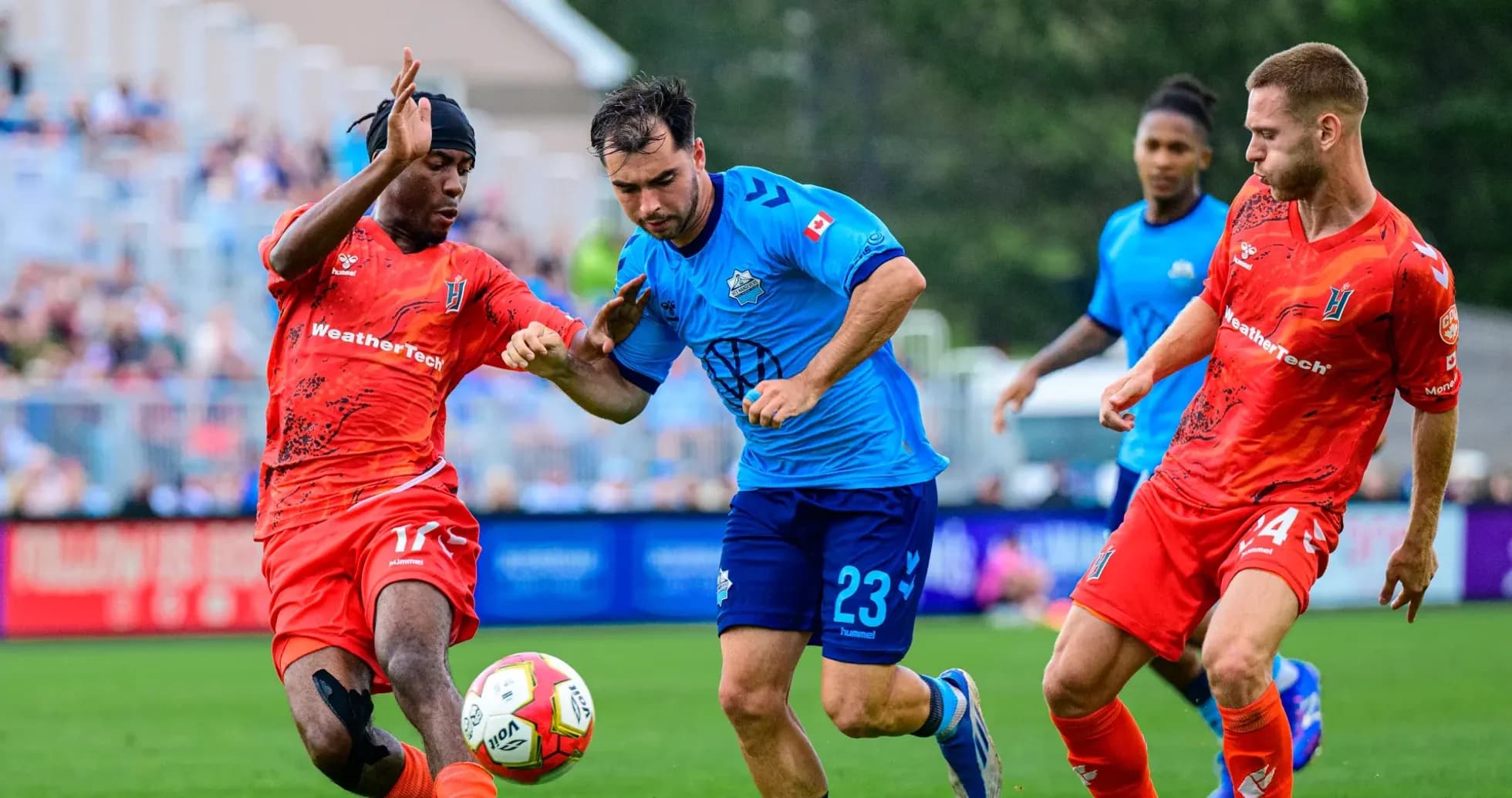
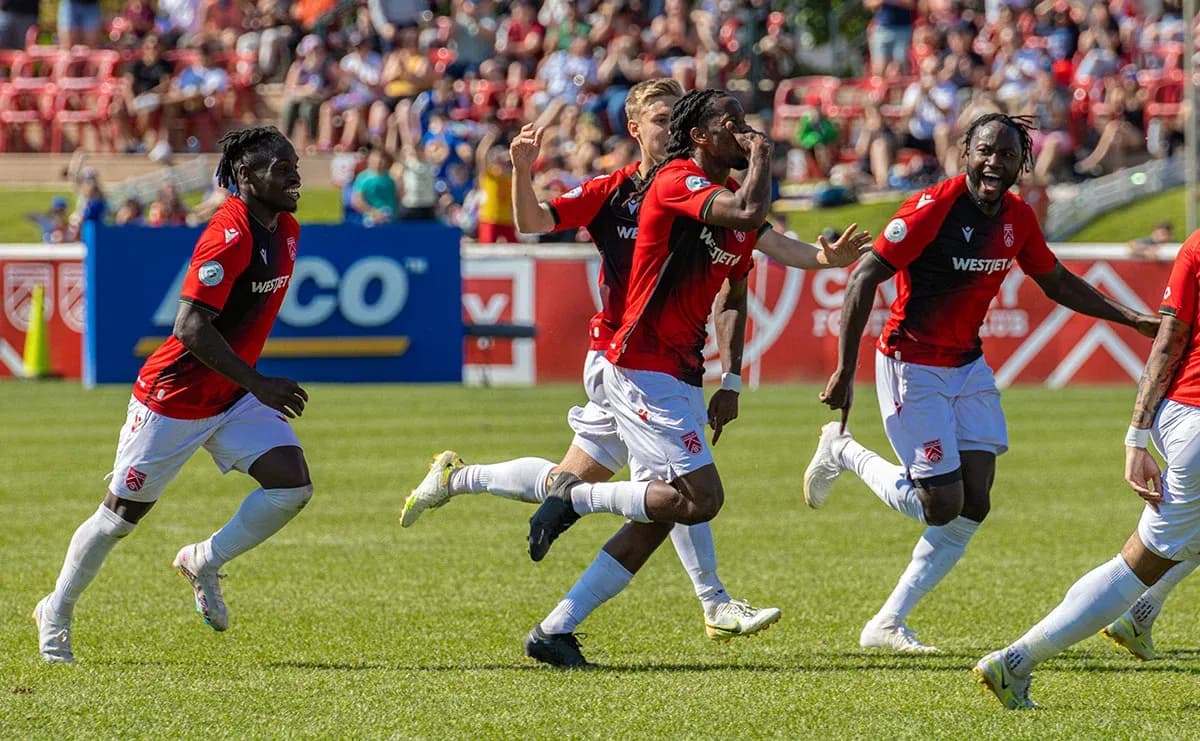
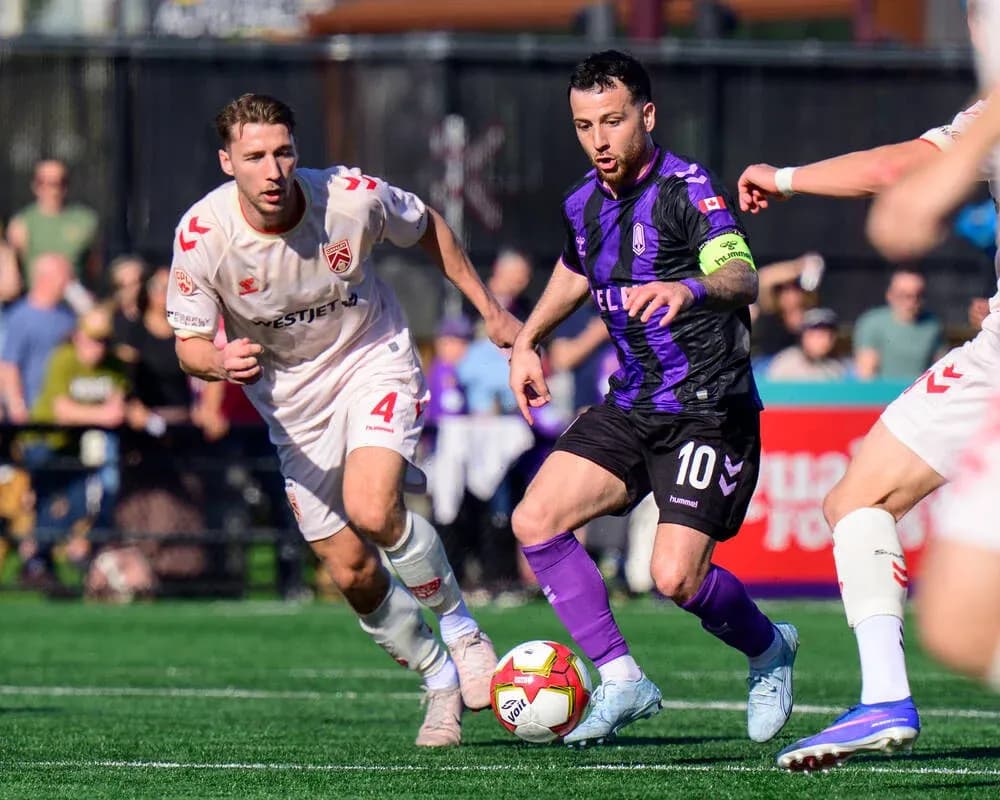
Cavalry FC host Pacific FC at ATCO Field in a Canadian Premier League group stage match that already carries heavy seasonal weight: Cavalry enter 2nd in the league phase on 14 points from 6 games, while Pacific sit 8th with just 1 point from 6, making this a potential early separation point between a title-contending side and a team drifting toward the bottom.
Head-to-Head Tactical Summary
On 9 May 2026 in the Canadian Championship Preliminary round at Starlight Stadium, Pacific FC lost 1-3 at home to Cavalry FC, having trailed 0-1 at half-time. That cup tie underlined Cavalry’s ability to punish Pacific in transition and manage a lead away from home.
In the current Canadian Premier League league phase, the sides met on 5 April 2026 at Starlight Stadium, where Cavalry again won away, 2-1, after leading 0-1 at half-time. The pattern of Cavalry striking first and then controlling the game has been consistent this year.
In 2025 league play at Starlight Stadium, Pacific edged a tight 1-0 home win on 4 August 2025 after a 0-0 first half, and earlier, on 5 October 2025, the same venue produced a 3-3 draw, with the score 1-1 at half-time. Those matches showed Pacific’s capacity to open up Cavalry in more open contests when their attack functions.
The only recent meeting at ATCO Field in this list came on 22 June 2025, where Cavalry FC beat Pacific FC 1-0, leading 1-0 at half-time and then closing the game out. That result is the closest tactical reference for this upcoming fixture: Cavalry taking an early advantage at home and defending it with structure.
Global Season Picture
- League Phase Performance: In the league phase, Cavalry FC are 2nd with 14 points from 6 matches, unbeaten with 4 wins and 2 draws, scoring 9 goals and conceding 3 (goal difference +6). Pacific FC are 8th with 1 point from 6 matches, still without a win, with 1 draw and 5 defeats, scoring 6 goals and conceding 12 (goal difference -6).
- Season Metrics: In the league phase, Cavalry’s numbers point to a controlled, balanced side: 9 goals for and 3 against across 6 games, with 3 clean sheets and only 1 match without scoring, plus a preference for a 4-2-3-1 structure. Their card profile shows yellow cards spread across the match, with a notable concentration between minutes 61-75 (4 yellows, 30.77%), suggesting an aggressive press or game-management phase after the hour. Pacific FC, also in the league phase, show a fragile defensive profile (12 goals conceded in 6, average 2.0 per game) and no clean sheets. Offensively, they average 1.0 goal per match (6 in 6), but their biggest home defeat (1-3) and lack of any recorded wins underline a side struggling to convert possession into results. Their discipline profile is more volatile, with yellows and reds clustering late (notably 3 red cards between minutes 76-105), indicating that chasing games is leading to risky defensive behavior.
- Form Trajectory: In the league phase, Cavalry’s form string “WWDDW” reflects a strong, upward trajectory: two wins, then two draws stabilizing their position, followed by another win to reassert momentum. They are collecting points consistently and have not yet been beaten. Pacific’s “LLLDL” sequence shows a side in clear decline: three straight losses, a brief pause with a draw, then another defeat. The pattern is of a team unable to halt negative momentum, with defensive issues persisting from match to match.
Tactical Efficiency
Using the league-phase statistics as a proxy for tactical efficiency, Cavalry FC look like a compact, efficient unit. Their attack is not explosive in raw volume (9 goals in 6 games, 1.5 per match) but is highly effective relative to a very tight defense (only 3 conceded, 0.5 per match). This points to a clinical attack and a robust defensive block that rarely allows high-quality chances.
Pacific FC’s profile is the inverse: an attack that produces a modest 1.0 goal per game but is undermined by a porous defense (2.0 goals conceded per game). The lack of clean sheets and the repeated concession of multi-goal totals suggest structural defensive weaknesses rather than isolated errors. Their disciplinary data, with late yellow and red cards, further hints at tactical breakdowns and desperation defending when they fall behind.
In comparative terms, any Attack/Defense Index derived from these numbers would rate Cavalry as significantly above league average defensively and comfortably positive overall, while Pacific would project as bottom-tier on the defensive side, dragging down their overall efficiency despite occasional scoring output.
The Verdict: Seasonal Impact
For Cavalry FC, a home win here would consolidate their position as a title contender in 2026. Moving from 14 points to 17 after 7 games would keep them firmly embedded in the promotion play-off semi-finals zone and, depending on other results, could close or even open a gap at the top. Maintaining an unbeaten record while extending Pacific’s crisis would also reinforce Cavalry’s psychological edge in direct meetings, especially after two away wins over Pacific already in 2026.
For Pacific FC, the stakes are survival and season reset rather than the title race. Remaining on 1 point after 7 games would deepen their relegation-risk profile and make a climb toward the play-off places increasingly unrealistic, even at this early stage of the calendar year. A defeat would confirm their defensive problems as systemic and likely force tactical or personnel changes.
A draw would be mildly positive for Pacific, stopping the immediate bleeding and giving them a second away point, but it would still leave them stranded at the bottom and do little to change the overall trajectory. For Cavalry, a draw would slow their title push without damaging their play-off prospects, but it would be a missed opportunity to turn a strong start into clear separation from the chasing pack.
Overall, this fixture functions as an early-season pivot: for Cavalry FC, it is about reinforcing a championship-calibre platform in the league phase; for Pacific FC, it is about avoiding being cut adrift at the bottom and keeping any realistic hope of climbing toward the upper half alive.