Cavalry FC Dominates Pacific FC 3–0: Analyzing League Hierarchy
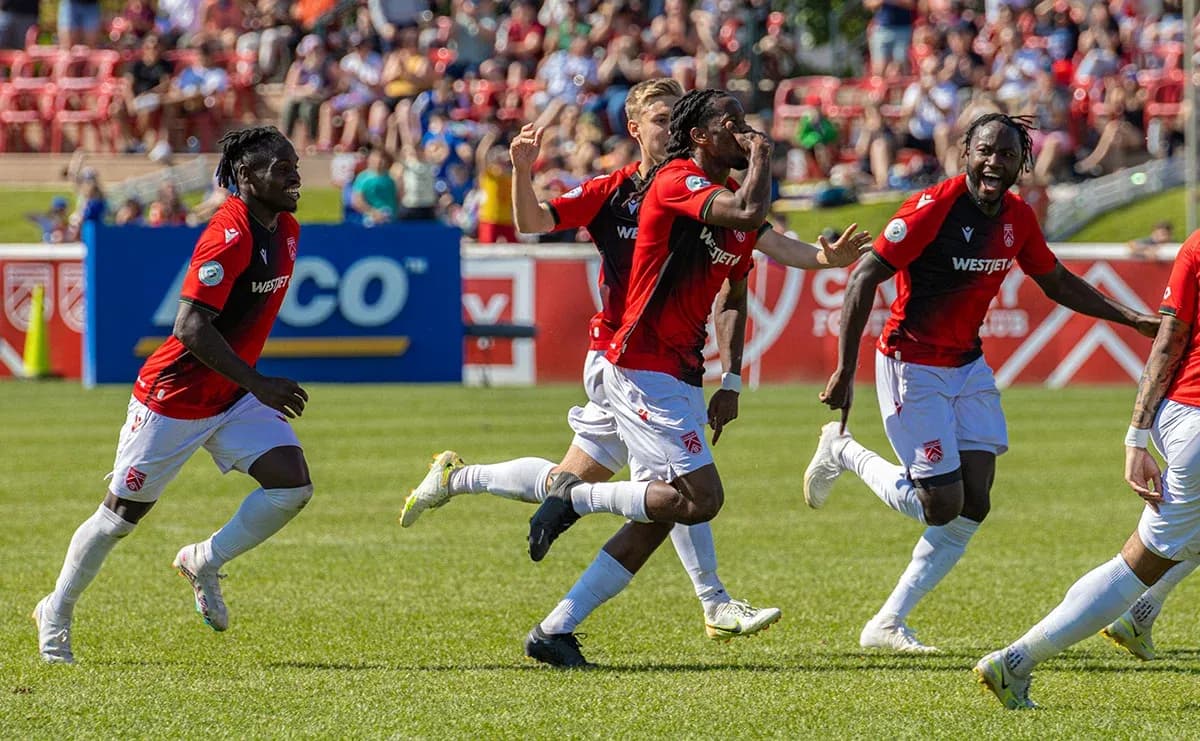
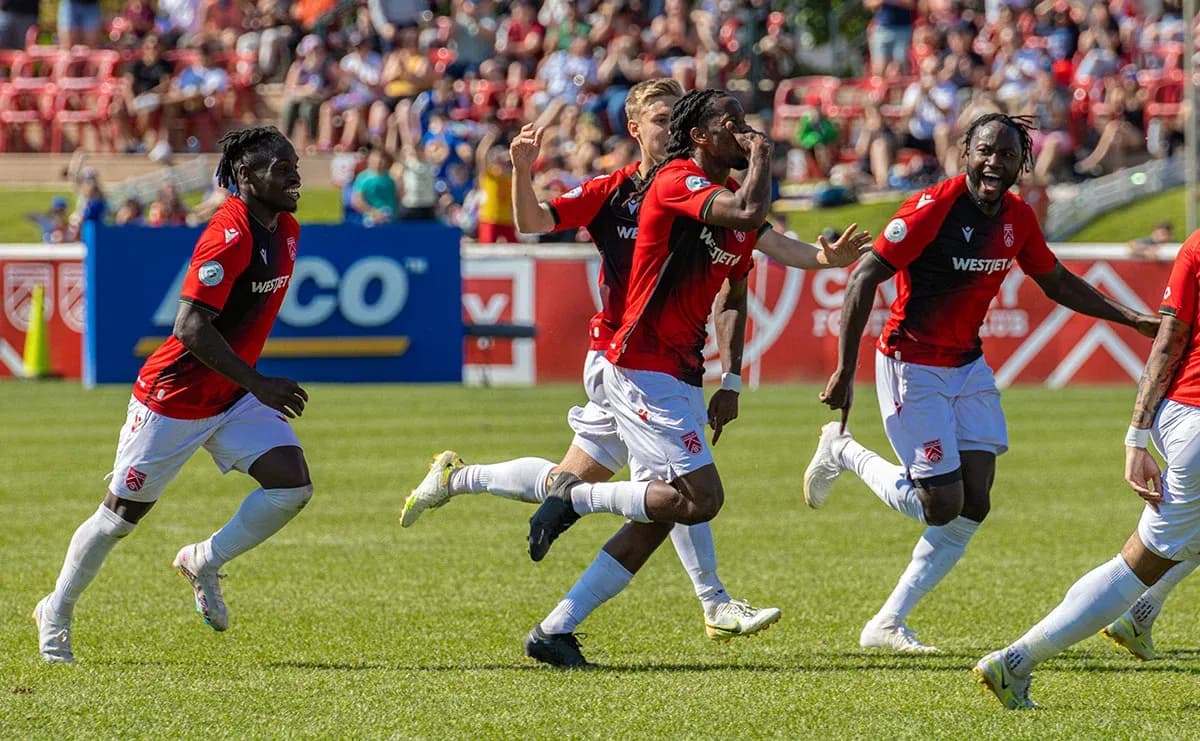
On a cool night at ATCO Field, Cavalry FC’s 3–0 dismantling of Pacific FC felt less like a single result and more like a confirmation of the league’s emerging hierarchy. Following this result, the league leaders look every inch a complete side; Pacific, rooted in 8th, resemble a project still searching for its structure.
I. The Big Picture – contrasting trajectories
Cavalry arrived in this Group Stage fixture already setting the pace in the Canadian Premier League. Heading into this game, they sat 1st with 17 points from 7 matches, unbeaten with 5 wins and 2 draws. Overall they had scored 12 and conceded just 3, a goal difference of +9, built on balance rather than chaos. At home, the numbers were even more assertive: 3 matches, 2 wins, 1 draw, 7 goals for and only 2 against. An average of 2.3 goals at home and just 0.7 conceded spoke of a side that knows how to turn ATCO Field into a controlled environment.
Pacific’s context could hardly have been more different. Heading into this game they were 8th with 1 point from 7, winless with 6 defeats, a single draw, and a goal difference of -9 (6 scored, 15 conceded). On their travels, they had taken that lone point from 2 away fixtures, scoring 2 and conceding 5, an away average of 1.0 goal for and 2.5 against. For a side with no clean sheets overall and 3 matches where they failed to score, ATCO Field was never likely to be a gentle destination.
II. Tactical voids and disciplinary shadows
With no official list of absentees, both coaches were able to lean on familiar cores. Tommy Wheeldon sent Cavalry out with a recognisable spine: N. Ingham in goal; a defensive line featuring A. Pearlman, D. Klomp, A. Didic and L. Laing; and a creative band including S. Camargo and G. Ntignee behind leading scorer T. Warschewski.
The season’s card profile hinted at how Cavalry manage their aggression. Their yellow cards are spread across the match, but there is a clear spike between 61–75 minutes, where 26.67% of their cautions arrive. That late-third surge reflects a side that raises intensity to protect or tilt games in their favour. Importantly, they had no red cards overall, underpinning a controlled, professional edge.
Pacific’s disciplinary data painted a more volatile picture. Their yellows were heavily concentrated in the 61–75 minute window (28.57%), but the real alarm lay in their reds: 2 red cards between 76–90 minutes (66.67% of their total reds) and another in the 91–105 period (33.33%). The presence of J. Heard and J. Belluz among the league’s red-card leaders underlines a pattern of late-game loss of control, exactly when defensive concentration should be at its highest.
III. Key matchups – Hunter vs Shield, Engine Room vs Enforcer
The “Hunter vs Shield” duel here was embodied by Cavalry’s front line, spearheaded by T. Warschewski, against a Pacific defence that has bent and broken too often. Warschewski came into this fixture with 2 goals from 6 appearances, 12 shots (7 on target), and a rating of 6.95. He is not just a finisher; 6 key passes and 11 dribble attempts mark him as a forward who drops, combines, and destabilises lines.
Behind him, the shield is as important as the spear. D. Klomp, one of the league’s standout defenders, arrived with 1 goal, 211 completed passes at 91% accuracy, and 4 tackles plus 1 block and 1 interception. Alongside him, A. Pearlman brought 11 tackles, 1 block and 1 interception, plus 3 yellow cards that speak to a defender who lives on the front foot. Together they anchor a unit that, overall, concedes only 0.4 goals per match, with 4 clean sheets in 7 games.
For Pacific, the standout defender is D. Konincks. He entered this match with a 7.27 rating, 1 goal, 1 assist, and 173 passes at 90% accuracy. He tackles (4), blocks (1) and intercepts (5) at a solid rate, and in many ways represents the calm centre of an otherwise fragile back line. His duel with Warschewski – both aerially and in build-up – was always going to be decisive. If Konincks could dictate from the back, Pacific might escape the press; if overwhelmed, Pacific’s already shaky defensive record would be exposed again.
In the “Engine Room”, Cavalry’s H. Paton and S. Camargo offered contrasting but complementary profiles. Paton, with a 7.33 rating, 126 passes at 85% accuracy, 10 tackles and 9 fouls committed, is the classic two-way midfielder: he breaks, recycles, and occasionally surges (1 goal). Camargo, more of a connector, had 129 passes at 81% accuracy and 8 dribble attempts, offering the subtlety between the lines.
Opposite them, Pacific’s midfield had to cope with the physical and positional intelligence of this duo while also providing service to their forwards. The presence of card-prone figures like C. Greco-Taylor and R. Juhmi in the wider squad underscored the risk: chasing Cavalry’s rotations can drag Pacific’s midfield into late challenges and cheap bookings, particularly in that 61–75 minute danger zone.
IV. Statistical prognosis – why 3–0 felt inevitable
Cavalry’s season-long numbers made a dominant result plausible even before kick-off. Overall they averaged 1.7 goals scored and just 0.4 conceded per match. At home, the profile sharpened: 2.3 scored, 0.7 conceded. Pacific, by contrast, averaged only 0.9 goals for and 2.1 against overall, with no clean sheets. On their travels they conceded 2.5 per game.
Overlay those trends and a 3–0 scoreline sits neatly in the expected band of outcomes. Even without explicit xG data, the structural indicators are clear: Cavalry create enough volume and quality to reach multiple goals at home, while Pacific allow enough shots and high-quality chances that conceding two or three is not an outlier but a pattern.
Cavalry’s penalty record – 2 penalties overall, both scored, with 0 missed – adds another layer of threat in the box, especially with a forward like Warschewski who has already won and converted one. Pacific, with no penalties taken this season, lack that easy route back into games when they fall behind.
Following this result, Cavalry’s unbeaten run, defensive parsimony, and attacking variety mark them as the league’s reference point. Pacific, still without a win and leaking goals at both home and away, must first stabilise their back line – leaning heavily on Konincks’ composure – before they can think about climbing from 8th. At ATCO Field, the gap between a complete project and an incomplete one was laid bare in 90 clinical minutes.